
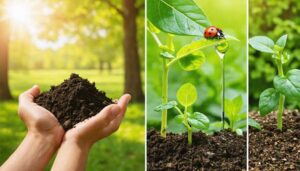
 Simple Ways to Transform Your Garden Naturally
It started one early morning in a small backyard in Kolkata. A home gardener, Mr. Sen, stood looking at his plants—yellowing leaves, weak stems, and no growth despite regular watering. He sighed and said, “I’m doing everything right… so why is nothing working?”
This is where most gardeners go wrong—they focus on plants but ignore the real hero beneath them: the soil. If the soil is unhealthy, even the best seeds won’t thrive. That’s why understanding the right gardening tips is not just helpful—it’s essential.
Have you ever wondered why some gardens flourish effortlessly while others struggle despite constant care? The answer lies in soil health. According to agricultural studies, over 70% of plant problems originate from poor soil conditions. That means improving soil can solve most gardening issues without expensive fertilizers.
Let’s explore practical, experience-based gardening tips that can completely change how your garden grows—naturally, affordably, and sustainably.
Why Healthy Soil Matters More Than You Think
Healthy soil is not just dirt—it’s a living ecosystem filled with microorganisms, nutrients, and organic matter.
When soil is rich:
- Plants grow faster
- Roots become stronger
- Water retention improves
- Pest resistance increases
From my own observation while visiting home gardens in West Bengal, I noticed something interesting: gardens using compost-rich soil needed less watering and had fewer pest attacks compared to chemically treated soil.
Understanding Soil: The Foundation of Every Garden
Before applying any gardening tips, you need to understand what makes soil healthy.
Key Components of Healthy Soil:
- Organic matter (compost, leaves, manure)
- Proper drainage
- Balanced pH level
- Microbial activity
Farmers in rural Bengal often say, “Feed the soil, not the plant.” This wisdom is powerful—and true.
Practical Gardening Tips to Improve Soil Health
- Add Organic Compost Regularly
One of the most effective gardening tips is using compost.
Real example:
A gardener in Howrah reduced chemical fertilizer use by 60% after adding kitchen compost for just two months.
How to do it:
- Use vegetable peels
- Add dry leaves
- Let it decompose for 3–4 weeks
- Avoid Overwatering the Soil
Too much water kills beneficial microbes.
Problem: Roots start rotting
Solution: Water only when the topsoil feels dry
- Use Mulching to Protect Soil
Mulching is one of the simplest yet powerful gardening tips.
Benefits:
- Retains moisture
- Prevents weeds
- Improves soil structure
Local practice: Farmers in Nadia use rice straw as mulch—and their soil stays fertile even in summer.
- Rotate Crops Even in Small Gardens
Growing the same plant repeatedly drains nutrients.
Tip:
Switch between leafy, root, and fruit plants.
- Add Natural Fertilizers Like Vermicompos
Earthworm compost is gold for your soil.
Farmer feedback:
A farmer from Bardhaman reported 30% better yield after switching to vermicompost.
Common Mistakes Gardeners Make
Even with good intentions, mistakes can damage soil.
- Overusing chemical fertilizers
- Ignoring soil testing
- Planting without compost
- Using poor-quality water
Lesson: Healthy soil needs balance—not excess.
Real Farmer Story: Soil Transformation in West Bengal
Mr. Gopal Malakar, a small farmer from Murshidabad, struggled with low crop yield for years.
Problem:
Hard soil, poor water retention
Solution he tried:
- Added compost
- Practiced mulching
- Reduced chemicals
Result after 1 year:
- Soil became softer
- Yield increased by 40%
- Cost reduced significantly
His words: “I stopped feeding chemicals and started feeding life into my soil.”
Practical Tips You Can Start Today
- Mix compost into soil every 15 days
- Use neem leaves as natural pest control
- Water early morning or evening
- Keep soil covered (never leave it bare)
- Avoid digging too often
These small gardening tips create long-term impact.
Cost vs Benefit: Is Healthy Soil Expensive?
| Method | Cost | Benefit |
| Chemical fertilizers | High | Short-term growth |
| Organic compost | Low | Long-term fertility |
| Mulching | Very low | Water saving + soil protection |
Conclusion:
Healthy soil is not expensive—it actually saves money.
Before vs After: What Changes You’ll See
Before:
- Weak plants
- Frequent pests
- Dry soil
After applying gardening tips:
- Green, strong plants
- Less maintenance
- Better yield
Expert Advice from Soil Specialists
Experts in sustainable agriculture emphasize:
- Soil is a living system
- Chemicals should be minimized
- Organic matter is the key
According to soil experts, improving soil naturally can increase productivity by up to 50% over time.
Local Market Situation in India
In cities like Kolkata:
- Organic compost demand is rising
- Terrace gardening is increasing
- People are shifting to chemical-free food
This trend makes these gardening tips more relevant than ever.
Government Schemes Supporting Soil Health
The Soil Health Card Scheme helps farmers understand soil quality and nutrients.
Benefits:
- Free soil testing
- Fertilizer recommendations
- Better crop planning
FAQ from Gardeners
Q1: How often should I add compost?
Every 2–3 weeks for best results.
Q2: Can I use kitchen waste directly?
No, compost it first.
Q3: Is chemical fertilizer completely bad?
Not always—but overuse damages soil.
Q4: How do I know if my soil is healthy?
Dark color, earthy smell, and good water retention.
Final Thoughts: Build Soil, Build Life
If there’s one thing you should remember, it’s this—plants don’t grow in soil; they grow because of soil.
By following these simple yet powerful gardening tips, you’re not just growing plants—you’re creating a sustainable ecosystem in your own home.
Start small. Add compost. Observe changes. Within weeks, you’ll see the difference—and within months, your garden will thank you.
Because in the end, healthy soil means a healthy life
Start Your Gardening Journey Today
If you’re serious about building healthy soil and growing a thriving garden, explore expert-backed gardening solutions and ideas from IndoGardening.
Visit: Explore Gardening Solutions
Their mission is to transform ordinary spaces into beautiful, productive gardens with the right soil, organic inputs, and expert guidance. To know more visit https://indogardening.com/ to get more tips for healthy garden.