
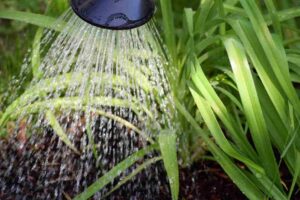
 Healthy garden soil is the foundation of thriving plants, vibrant flowers, and productive vegetable beds. However, even the richest soil cannot support strong growth without proper watering practices. Many gardeners unknowingly overwater or underwater their plants, which can damage soil structure, wash away nutrients, and stress plant roots. Understanding how to water your garden correctly is just as important as choosing the right soil, fertilizers, or plants. By adopting smarter watering techniques, gardeners can maintain soil moisture balance, encourage deep root growth, and support beneficial microorganisms that keep the soil fertile and alive. Smart irrigation is not simply about giving plants more water—it is about providing the right amount of water at the right time and in the right way. Efficient watering practices help conserve water, reduce plant diseases, and ensure that moisture reaches the root zone where plants actually need it. Whether you maintain a backyard garden, raised beds, or container plants, learning practical garden irrigation tips can dramatically improve plant health and soil quality.
In addition, good irrigation habits help prevent soil erosion, compaction, and nutrient loss. When water is delivered carefully and consistently, the soil remains loose, aerated, and rich in organic life. By following effective garden irrigation tips, gardeners can create a balanced environment where plants grow stronger, roots penetrate deeper, and soil remains healthy throughout the growing season.
Understand Your Soil Before Watering
One of the most important garden irrigation tips is to understand the type of soil in your garden. Different soils hold and drain water in different ways, and watering without knowing your soil type can easily lead to problems. Sandy soil drains quickly and requires more frequent watering because moisture does not stay in the soil for long. On the other hand, clay soil holds water for a longer time but may become compacted and waterlogged if overwatered. Loamy soil, which is a balanced mix of sand, silt, and clay, usually retains moisture well while still allowing proper drainage.
Before watering, gardeners should check the soil moisture by inserting a finger a few inches into the soil. If it feels dry, watering is necessary. If it still feels moist, watering can wait. This simple habit helps prevent overwatering, which can suffocate plant roots and damage beneficial microorganisms in the soil. Healthy soil needs both moisture and oxygen, so maintaining the right balance is essential. By learning how your soil behaves, you can apply practical garden irrigation tips that support long-term soil health and plant vitality.
Water Deeply Instead of Frequently
Another valuable approach among effective garden irrigation tips is watering deeply rather than lightly and frequently. Shallow watering only wets the top layer of soil, which encourages plants to develop weak, shallow roots. These roots dry out quickly and make plants more vulnerable to heat and drought.
Deep watering, however, allows moisture to reach the lower layers of soil where roots can grow stronger and deeper. When roots extend further into the soil, plants become more resilient and capable of absorbing nutrients more efficiently. Deep watering also improves soil structure because it encourages natural aeration and microbial activity within the soil.
A good rule is to water slowly and thoroughly so the soil absorbs moisture gradually instead of allowing water to run off the surface. This is particularly important in gardens with slopes or compacted soil. Among the most practical garden irrigation tips, deep watering helps maintain consistent moisture levels and ensures that plants remain healthy even during warmer periods.
Water at the Right Time of Day
Timing is another key factor in maintaining healthy garden soil. One of the most recommended garden irrigation tips is watering early in the morning. During this time, temperatures are cooler and evaporation rates are lower, allowing water to penetrate the soil effectively.
Morning irrigation also gives plant leaves time to dry throughout the day. When leaves stay wet overnight, they are more likely to develop fungal diseases and mildew. Watering in the evening may seem convenient, but it often leaves excess moisture around plants for long periods, which can create an unhealthy growing environment.
By watering early in the day, gardeners ensure that plants receive adequate hydration while reducing water waste. This simple habit supports healthier soil conditions, as the moisture reaches the root zone without excessive evaporation. Applying thoughtful garden irrigation tips like proper timing not only conserves water but also helps maintain a balanced soil ecosystem that supports steady plant growth and long-lasting garden productivity.
Conclusion
Healthy soil and proper watering practices go hand in hand when it comes to maintaining a thriving garden. By understanding soil type, watering deeply, and choosing the right time of day, gardeners can create the ideal moisture balance that plants need to grow strong and productive. Following practical garden irrigation tips not only improves plant health but also protects soil structure, prevents nutrient loss, and supports beneficial soil organisms. With consistent care and smart watering habits, these garden irrigation tips help conserve water while keeping garden soil fertile, balanced, and capable of supporting vibrant plant growth throughout the entire growing season.
Grow Greener. Garden Smarter. Thrive with Expert Horticulture Support
Mumbai Office
Parewala House No. 4, Vakola
Santacruz (East)
Mumbai – 400055
Kolkata Office
Block DD, House No. 197
1st Floor, Street No. 295
Action Area – 1, New Town
Kolkata, West Bengal – 700156
📞 Call Us: +91 98307 20311 / +91 83369 77770
📧 Email: indochemcustomercare@gmail.com
🌐 Website: https://indogardening.com/
Empowering Greener Landscapes and Stronger Gardens with Innovative Horticulture Solutions.