
 Creating a healthy and productive garden begins with nourishing the soil, and one of the most natural ways to do this is through composting for home garden spaces. Composting is the simple process of recycling organic kitchen and garden waste into nutrient-rich material that improves soil fertility and supports plant growth. For home gardeners, it offers an eco-friendly solution to reduce household waste while producing a powerful natural fertilizer that plants love.
Many people believe composting requires large spaces, complicated equipment, or professional knowledge. In reality, composting for home garden environments can be very easy and practical, even for beginners with limited space such as balconies, terraces, or small backyard gardens. With just a few basic materials like vegetable peels, fruit scraps, dry leaves, and garden clippings, anyone can create valuable compost right at home.
The benefits of composting go beyond simply feeding plants. It helps improve soil structure, increases moisture retention, encourages beneficial microorganisms, and reduces the need for chemical fertilizers. At the same time, it contributes to a cleaner environment by lowering the amount of organic waste that ends up in landfills.
By learning a few simple techniques and maintaining the right balance of green and brown materials, gardeners can easily start composting for home garden areas and enjoy healthier plants, richer soil, and a more sustainable gardening routine. In the following sections, we will explore easy composting methods that make home gardening greener and more rewarding.
Understanding the Importance of Composting in Home Gardens
Composting plays a vital role in building healthy soil and sustaining plant life in any garden. For gardeners who want to grow vegetables, flowers, or herbs naturally, composting for home garden spaces is one of the most effective and environmentally friendly practices. Compost is often called “black gold” because of its ability to enrich soil with essential nutrients that plants need for proper growth.
When organic waste such as fruit peels, vegetable scraps, dry leaves, and grass clippings decomposes, it turns into nutrient-rich compost. This compost improves soil structure, increases the soil’s ability to retain moisture, and supports beneficial microorganisms. For anyone practicing composting for home garden areas, the result is stronger plants, healthier roots, and better crop yields.
Another important benefit is waste reduction. Many households produce a large amount of biodegradable waste daily. Instead of throwing it away, composting allows gardeners to recycle it into something valuable for their plants.
Simple Composting Methods for Beginners
Starting composting for home garden use does not require complex tools or large outdoor spaces. One of the simplest methods is the pile composting technique. In this method, organic waste is collected in a corner of the garden or in a designated compost area. Layers of green materials like vegetable scraps and grass clippings are combined with brown materials such as dry leaves, cardboard, and straw.
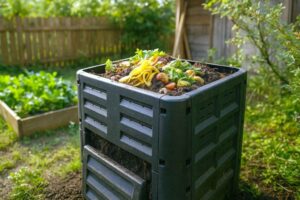
Another easy method is using a compost bin. Compost bins help keep the composting area organized and speed up decomposition. They are especially useful for people with small gardens or urban homes. By turning the compost regularly and maintaining the right balance of materials, gardeners can produce compost within a few weeks to a few months.
Some gardeners also prefer the trench composting method. In this approach, kitchen scraps are buried directly in the soil where they decompose naturally. This technique works well for composting for home garden beds because the nutrients go directly into the soil where plants can benefit from them.
Materials That Work Best for Composting
Choosing the right materials is essential for successful composting for home garden systems. Organic materials are usually divided into two categories: green and brown materials. Green materials include vegetable scraps, fruit peels, fresh grass clippings, and coffee grounds. These provide nitrogen, which helps speed up the composting process.
Brown materials include dry leaves, newspaper, cardboard, wood chips, and straw. These materials provide carbon, which balances the compost pile and prevents unpleasant odors. A proper balance of green and brown materials helps maintain the right environment for decomposition.
It is also important to avoid certain items such as meat, dairy products, oily foods, and plastic materials. These items can attract pests and slow down the composting process.
Maintaining a Healthy Compost System
To ensure effective composting for home garden use, regular maintenance is necessary. One key factor is aeration. Turning the compost pile occasionally allows oxygen to enter, which helps microorganisms break down organic matter more efficiently.
Moisture is another important factor. The compost pile should remain slightly moist, similar to a damp sponge. Too much water can create unpleasant smells, while too little moisture can slow down decomposition.
Temperature also plays a role in composting. A properly balanced compost pile naturally generates heat as microorganisms break down organic materials. This heat speeds up the process and helps create rich compost that can be added to garden beds, potted plants, or vegetable gardens.
With consistent care and simple techniques, composting for home garden areas becomes an easy and rewarding practice that supports sustainable gardening and healthier soil.
Conclusion
Composting for home garden spaces is a simple yet powerful way to improve soil health and promote sustainable gardening. By recycling kitchen scraps, garden waste, and organic materials, gardeners can create nutrient-rich compost that naturally supports plant growth. Whether using a compost bin, pile method, or trench composting, these easy techniques make composting areas accessible for beginners and experienced gardeners alike. With proper balance, moisture, and care, composting reduces household waste while enriching the soil. Ultimately, adopting composting for home garden practices leads to healthier plants, better harvests, and a greener, more environmentally friendly gardening lifestyle.
Strong and passionate CTR
Mumbai Office
Parewala House No. 4, Vakola
Santacruz (East)
Mumbai – 400055
Kolkata Office
Block DD, House No. 197
1st Floor, Street No. 295
Action Area – 1, New Town
Kolkata, West Bengal – 700156
📞 Call Us: +91 98307 20311 / +91 83369 77770
📧 Email: indochemcustomercare@gmail.com
🌐 Website: https://indogardening.com/
Nurturing Nature with Modern Horticultural Excellence.