
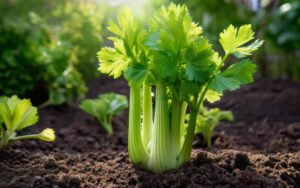
 Organic gardening tips are essential for anyone looking to grow healthy, vibrant plants while caring for the environment. Unlike conventional gardening, organic methods focus on natural processes, avoiding synthetic fertilizers and harmful chemicals. By embracing these tips, gardeners can improve soil health, encourage beneficial insects, and boost plant resilience.
One key aspect of organic gardening is enriching the soil with compost or well-rotted manure. This not only provides essential nutrients but also enhances soil structure and moisture retention. Another tip is to practice crop rotation and companion planting, which helps reduce pests and diseases naturally. Using natural pest control methods, such as introducing ladybugs or neem oil, protects plants without damaging the ecosystem.
Proper watering, mulching, and selecting native or disease-resistant plant varieties are also vital strategies. Organic gardening encourages observation and patience, as gardeners learn to work with nature’s rhythms rather than against them. By implementing these practices, your garden can thrive sustainably, producing nutritious vegetables, fragrant herbs, and beautiful flowers.
With these organic gardening tips, anyone can cultivate a flourishing garden that benefits both plants and the planet.
Essential Practices for Thriving Gardens
Implementing organic gardening tips starts with understanding your soil. Healthy soil is the foundation of any flourishing garden, providing nutrients, water retention, and support for plant roots. Regularly testing your soil’s pH and nutrient levels helps you choose the right amendments. Adding compost, leaf mold, or natural fertilizers enriches the soil, promoting strong root development and vibrant foliage. Organic gardeners know that nurturing soil life, like earthworms and beneficial microbes, is just as important as feeding plants directly.
Another cornerstone of organic gardening tips is water management. Overwatering can lead to root rot, while under-watering stresses plants, reducing growth and yield. Techniques such as drip irrigation, mulching, and morning watering help maintain consistent moisture levels. Mulch, in particular, not only conserves water but also suppresses weeds and adds organic matter as it decomposes.
Pest and disease control is a common challenge in any garden, and here is where organic gardening tips shine. Instead of chemical sprays, gardeners can use natural solutions like neem oil, insecticidal soap, or introducing beneficial insects like ladybugs and lacewings. Companion planting, where certain plants are grown together to deter pests or attract pollinators, is another effective organic strategy. Encouraging biodiversity ensures your garden is resilient and self-regulating.
Finally, plant selection and care are critical. Choosing native, drought-tolerant, or disease-resistant varieties reduces the need for intensive intervention. Rotating crops each season prevents soil depletion and reduces the buildup of pests and diseases. Pruning, staking, and proper spacing allow air circulation, reducing the risk of fungal infections while encouraging robust growth.
By consistently applying these organic gardening tips, gardeners can cultivate a thriving, sustainable garden that produces nutritious vegetables, fragrant herbs, and vibrant flowers. Patience and observation are key; nature works on its own timetable, and organic practices reward gardeners with healthier plants and a more balanced ecosystem. Embracing these principles ensures your garden not only flourishes but also contributes positively to the environment, making every harvest a win for both your family and the planet.
Conclusion
Incorporating organic gardening tips into your routine ensures a healthier, more sustainable garden. By focusing on natural soil enrichment, proper watering, pest management, and thoughtful plant selection, gardeners can cultivate vibrant vegetables, herbs, and flowers without harmful chemicals. These practices not only improve plant growth but also support biodiversity and protect the environment. Whether you are a beginner or experienced gardener, following organic gardening tips allows you to work with nature’s rhythms, creating a thriving garden that rewards patience and care. Embrace these strategies for long-lasting results and a flourishing, eco-friendly garden.
Ready to Transform Your Garden?
Take the first step toward a thriving, eco-friendly garden today! Our team of experts is here to guide you with proven organic gardening tips and solutions tailored to your needs. Whether you’re in Mumbai or Kolkata, we’re just a call, email, or visit away. Let’s cultivate a healthier, more vibrant garden together—because your dream garden deserves the best care and advice.
📍 Mumbai Office: Parewala House No. 4, Vakola, Santacruz (East), Mumbai – 400055
📍 Kolkata Office: Block DD, House No. 197, 1st Floor, Street No. 295, Action Area – 1, New Town, Kolkata – 700156
📞 Call Us: +91 98307 20311 / +91 83369 77770
📧 Email: indochemcustomercare@gmail.com
🌐 Website: indogardening.com
Don’t wait—unlock the full potential of your garden today!