
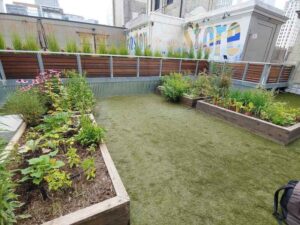
 Sustainable gardening is becoming increasingly popular as more people realize the importance of protecting nature while growing healthy plants. For beginners, learning sustainable gardening methods can be a wonderful way to create a thriving garden while reducing environmental impact. These methods focus on working with nature rather than against it, helping gardeners conserve resources, improve soil health, and support local ecosystems. Instead of relying heavily on chemical fertilizers and pesticides, sustainable gardening encourages natural solutions that maintain balance in the garden.
One of the key advantages of sustainable gardening methods is that they help conserve water, improve soil fertility, and promote biodiversity. By using practices such as composting, mulching, rainwater harvesting, and organic pest control, beginners can grow plants in a way that benefits both the garden and the environment. These techniques not only reduce waste but also create a healthier growing space for vegetables, fruits, herbs, and flowers.
Another important aspect of sustainable gardening methods is long-term soil care. Healthy soil supports strong plant growth and reduces the need for synthetic inputs. Beginners can start by adding organic compost, rotating crops, and planting native species that naturally adapt to local conditions.
By adopting sustainable gardening methods, even a small backyard or balcony garden can become an eco-friendly space that nurtures plants, protects natural resources, and contributes to a greener and healthier planet.
Understanding the Importance of Sustainable Gardening
Sustainable gardening focuses on creating a balanced relationship between plants, soil, water, and living organisms. For beginners, understanding the value of sustainable gardening methods is the first step toward building a garden that thrives naturally. Unlike conventional gardening that often relies on chemical fertilizers and pesticides, sustainable practices emphasize natural processes that protect both plants and the environment.
By adopting sustainable gardening methods, gardeners can reduce waste, conserve water, and improve soil quality over time. These practices help create a self-supporting ecosystem where beneficial insects, microorganisms, and plants work together. This balance reduces the need for artificial inputs and allows the garden to flourish in a more natural way.
Building Healthy Soil Naturally
Healthy soil is the foundation of any successful garden. One of the most important sustainable gardening methods is improving soil naturally instead of relying on chemical fertilizers. Soil rich in organic matter supports strong plant growth and helps retain moisture.
Beginners can start by adding compost made from kitchen scraps, dry leaves, and garden waste. Compost improves soil structure and provides essential nutrients for plants. Mulching is another helpful practice that protects the soil surface, prevents moisture loss, and reduces weed growth. Organic mulches such as straw, grass clippings, and wood chips slowly break down and enrich the soil.
Using natural soil improvement techniques ensures that the garden remains productive for many years while supporting healthy plant development.
Conserving Water in the Garden
Water conservation is another key aspect of sustainable gardening methods. Many beginners often overwater their plants, which wastes water and may damage roots. Learning efficient watering techniques helps maintain plant health while conserving this valuable resource.
Collecting rainwater is a simple and effective method for sustainable gardening. Rain barrels can store water that can later be used to irrigate plants. Watering plants early in the morning or late in the evening also reduces evaporation. Drip irrigation systems or slow watering methods ensure that water reaches the roots directly, minimizing waste.
Mulching also plays an important role in water conservation because it helps the soil retain moisture for longer periods.
Encouraging Biodiversity in the Garden
Another essential part of sustainable gardening methods is promoting biodiversity. A diverse garden attracts beneficial insects, birds, and pollinators that naturally support plant growth and pest control.
Planting a variety of flowers, herbs, vegetables, and native plants encourages helpful insects such as bees and butterflies. These pollinators improve fruit and vegetable production. At the same time, natural predators like ladybugs help control harmful pests without the need for chemical sprays.
Companion planting is also a valuable technique where certain plants grow better together and protect each other from pests. This natural balance keeps the garden healthier and more productive.
Practicing Natural Pest Management
Pest control does not always require chemical pesticides. One of the most practical sustainable gardening methods is using natural pest management techniques. These approaches protect plants while maintaining environmental balance.
Hand-picking pests, introducing beneficial insects, and using natural sprays made from neem oil or garlic are effective ways to manage pests. Healthy plants grown in nutrient-rich soil are also more resistant to diseases and insect damage.
By focusing on prevention and natural solutions, gardeners can maintain a thriving garden without harming the surrounding environment. Sustainable gardening ultimately helps beginners grow plants responsibly while supporting a greener and healthier ecosystem.
Conclusion
Adopting sustainable gardening methods is a meaningful step toward creating a healthier garden and a healthier planet. By focusing on natural practices such as improving soil with compost, conserving water, encouraging biodiversity, and using organic pest control, beginners can build a garden that thrives with minimal environmental impact. These sustainable gardening methods not only support strong plant growth but also protect valuable natural resources for the future. Even small changes in gardening habits can make a significant difference. With patience and consistency, anyone can practice sustainable gardening methods and enjoy a productive, eco-friendly garden that benefits both people and nature.
Start Your Sustainable Gardening Journey Today
Healthy gardens begin with the right knowledge, the right resources, and the right support. At Indo Gardening, we are passionate about helping gardeners, growers, and plant lovers embrace smarter and more sustainable horticulture practices. Whether you are starting a small home garden or expanding a larger green space, our guidance and resources are designed to support your success.
We believe that every garden has the potential to grow better, greener, and more productively with the right approach. Our team is committed to sharing practical insights, innovative solutions, and reliable horticulture knowledge that help you nurture plants while caring for the environment.
If you are ready to take your gardening journey to the next level, connect with us today. Let Indo Gardening be your trusted companion in building a thriving, sustainable garden.
Mumbai Office
Parewala House No. 4, Vakola
Santacruz (East)
Mumbai – 400055
Kolkata Office
Block DD, House No. 197
1st Floor, Street No. 295
Action Area – 1, New Town
Kolkata, West Bengal – 700156
📞 Call Us: +91 98307 20311 / +91 83369 77770
📧 Email: indochemcustomercare@gmail.com
🌐 Website: https://indogardening.com/
IndoGardening – Your Growth Partner in Progressive Horticulture.