
 Introduction
Drought-tolerant landscaping, often referred to as xeriscaping, is a sustainable and water-wise approach to designing outdoor spaces. In today’s world, where climate change and irregular rainfall patterns are becoming increasingly common, adopting drought-resistant practices is not only environmentally responsible but also practical. This style of landscaping focuses on minimizing water usage without compromising on beauty, functionality, or greenery. By carefully selecting hardy plants, using efficient irrigation methods, and incorporating smart design techniques, homeowners and gardeners can create vibrant landscapes that thrive even in dry conditions.
One of the biggest advantages of drought-tolerant landscaping is its ability to reduce water bills and conserve precious resources. Instead of traditional lawns, which require constant watering, this approach emphasizes native plants, succulents, ornamental grasses, and other species adapted to local climates. These plants are naturally more resilient, require less maintenance, and still offer rich textures, colors, and seasonal interest. Along with plant choices, techniques such as mulching, grouping plants with similar water needs, and improving soil quality play a vital role in retaining moisture and ensuring long-term sustainability.
Beyond saving water, drought-tolerant landscapes add aesthetic and ecological value. Stones, gravel pathways, decorative boulders, and drought-friendly groundcovers can be blended to create stunning visual appeal. They also support biodiversity by attracting pollinators like bees and butterflies. Moreover, with less dependency on water and chemical treatments, such landscapes foster a healthier outdoor environment.
Whether you live in an arid region or simply wish to garden responsibly, drought-tolerant landscaping is a smart solution for the future. It allows you to enjoy the beauty of lush, thriving outdoor spaces while conserving natural resources and reducing environmental impact. With thoughtful planning, you can achieve a landscape that is both eco-friendly and effortlessly elegant.
Choosing the Right Plants
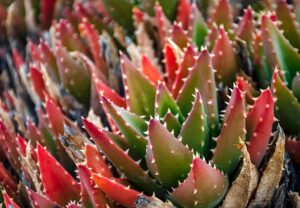
Selecting the appropriate plants is the cornerstone of drought-tolerant landscaping. Native plants are ideal because they are naturally adapted to local climates and soil conditions, requiring minimal water and care. Succulents like agave, aloe, and sedum store water in their leaves and can survive long dry spells. Ornamental grasses such as blue fescue and feather reed grass add texture and movement while being low-maintenance. Grouping plants with similar water needs ensures efficient irrigation and prevents overwatering.
Soil Preparation and Mulching
Healthy soil retains moisture and supports plant growth. Before planting, enrich the soil with organic matter, compost, or well-rotted manure to improve its water-holding capacity. Mulching around plants with materials like bark, gravel, or wood chips reduces evaporation, suppresses weeds, and stabilizes soil temperature. Mulch also provides a natural aesthetic, complementing drought-tolerant plantings while reducing the frequency of watering.
Smart Irrigation Techniques
Even drought-resistant landscapes need occasional watering, especially during establishment. Drip irrigation is the most efficient method, delivering water directly to the roots with minimal waste. Soaker hoses and targeted hand watering are also effective options. Scheduling irrigation during early mornings or late evenings reduces evaporation losses. Rainwater harvesting systems can further supplement water supply, making your landscape even more self-sufficient.
Design Elements for Visual Appeal
Drought-tolerant landscapes are not only functional but visually engaging. Incorporating hardscape elements such as stone pathways, gravel beds, decorative boulders, and patios adds structure and reduces the area requiring irrigation. Groundcovers like creeping thyme, ice plant, or low-growing sedums can fill gaps between rocks and plants, enhancing beauty while conserving water. Consider vertical interest through trellises, raised beds, or drought-friendly shrubs to create layered, dynamic designs.
Benefits Beyond Water Conservation
Implementing drought-tolerant landscaping offers numerous ecological and practical benefits. Reduced watering lowers utility costs and conserves local water resources. Less maintenance, including mowing and fertilizing, saves time and effort. These landscapes attract pollinators, provide habitat for wildlife, and minimize the use of harmful chemicals, contributing to a healthier environment.
By combining smart plant choices, efficient irrigation, soil improvement, and thoughtful design, drought-tolerant landscaping provides a sustainable, low-maintenance, and visually striking alternative to traditional gardens. It’s a proactive step toward responsible gardening in an era of water scarcity.
Conclusion
Embracing drought-tolerant landscaping is more than a trend—it’s a smart, sustainable choice that saves water, reduces maintenance, and enhances the beauty of your outdoor space. By selecting hardy native plants, improving soil health, and incorporating efficient irrigation, you can create a resilient garden that thrives even in dry conditions. Thoughtful design elements like gravel beds, stone pathways, and drought-friendly groundcovers not only add visual appeal but also conserve resources, making your garden both eco-friendly and aesthetically pleasing.
Take the first step toward a sustainable, low-maintenance landscape today. Explore a wide range of drought-tolerant plants, smart irrigation systems, and landscaping solutions at Indo Gardening. Connect with experts at +91 9830 720311 / 83369-77770 or visit our showrooms in Mumbai (Parewala House No.4, Vakola, Santacruz East) and Kolkata (Block DD, House No-197, Action Area-1, New Town) to transform your garden into a water-wise oasis.