
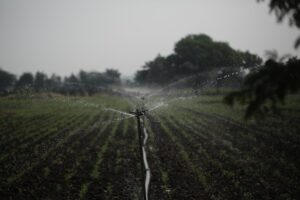
 Farming success largely depends on how well crops are managed throughout the year. Every season brings its own set of opportunities and challenges, and farmers who understand these cycles can maximize yield while protecting their land and resources. The key lies in adopting timely strategies that suit the changing weather, soil conditions, and plant requirements. Proper care of a Seasonal crop ensures not only better productivity but also sustainable farming practices that keep the soil fertile for future generations.
One of the most important aspects of managing a Seasonal crop is preparation. Before sowing, farmers should focus on soil testing, selecting the right seed varieties, and ensuring adequate irrigation systems. Seasonal planning also helps reduce the risk of crop failure due to unexpected weather changes. For instance, mulching and organic manure improve soil health in summer, while timely irrigation and pest management are critical during the monsoon season.
Equally important is monitoring. A Seasonal crop is highly sensitive to fluctuations in temperature, rainfall, and pest infestations. Regular field inspections allow farmers to take preventive measures before problems spread widely. Using natural fertilizers, crop rotation, and integrated pest management can further enhance resilience against seasonal threats.
Finally, harvesting at the right time and following proper post-harvest storage methods protect the farmer’s hard work. Since each season demands a unique approach, staying updated with local weather forecasts, agricultural advisories, and modern farming techniques can make a huge difference in productivity and profit.
In short, effective care of a Seasonal crop is about planning, nurturing, and adapting to the changing rhythms of nature. With the right strategies, farmers can achieve healthier harvests and contribute to sustainable food security year after year.
Soil Preparation and Seed Selection
A successful Seasonal crop begins with healthy soil. Farmers should start by testing soil quality to identify nutrient levels, pH balance, and organic matter content. Based on the results, they can enrich the soil with compost, green manure, or bio-fertilizers to ensure a strong foundation. Choosing the right seed variety for each season is equally important. Early-maturing or drought-resistant seeds work best for summer crops, while flood-tolerant or moisture-loving varieties are ideal for the monsoon season.
Irrigation and Water Management
Every Seasonal crop requires water, but the amount and frequency vary with climate conditions. In summer, drip irrigation helps conserve water while keeping the soil adequately moist. During the rainy season, farmers should focus on proper drainage to prevent waterlogging, which can damage root systems. In winter, controlled irrigation ensures crops get just enough moisture without chilling the soil. Smart water management not only supports healthy crop growth but also reduces resource wastage.
Pest and Disease Control
Seasonal changes often bring specific pests and diseases that target a Seasonal crop. Farmers should adopt integrated pest management (IPM), which combines natural predators, organic pesticides, and crop rotation. For example, neem oil sprays help deter common pests, while intercropping with pest-repellent plants such as marigold can reduce infestations naturally. Preventive care and regular field monitoring are crucial to stopping small problems before they spread.
Harvesting and Storage
Timely harvesting is critical for any Seasonal crop, as delays may lead to reduced quality or losses due to pests, rain, or frost. Farmers should closely track crop maturity indicators, such as grain hardness or fruit ripening, to decide the right harvesting period. Once harvested, crops must be stored under proper conditions—dry, cool, and well-ventilated storage reduces spoilage and maintains quality. Using modern storage facilities, like cold storage for fruits and vegetables, can significantly extend shelf life.
Adapting to Modern Techniques
Farmers can further improve Seasonal crop care by adopting modern agricultural tools and knowledge. Weather forecasting apps, soil sensors, and mechanized farming equipment allow better decision-making. Training sessions and government advisories also guide farmers on best practices tailored to regional conditions.
Conclusion
Caring for a Seasonal crop is a journey that requires planning, patience, and adaptability. Each season presents unique challenges—whether it’s managing water scarcity in summer, dealing with heavy rains in the monsoon, or protecting crops from frost in winter. Farmers who prepare in advance and adopt smart techniques can transform these challenges into opportunities for better yields and stronger profits.
The foundation of success lies in healthy soil and the right seed selection. With proper irrigation methods, farmers can conserve water while ensuring steady crop growth. Pest and disease control, when done through natural and integrated approaches, keeps fields safe without harming the environment. Equally important is harvesting on time and following scientific storage practices to reduce post-harvest losses.
In today’s fast-changing climate, adopting modern tools like weather apps, soil sensors, and advanced storage systems can help farmers stay ahead. Combining traditional wisdom with modern science ensures that every Seasonal crop is nurtured with the best care possible.
Ultimately, seasonal farming is not just about growing crops; it’s about sustaining livelihoods, protecting the environment, and contributing to food security. By following these crop care tips, farmers can ensure healthier harvests, greater resilience, and a brighter future for agriculture.
Grow Smarter, Harvest Better!
Take your farming to the next level with expert guidance, eco-friendly solutions, and innovative crop care products designed to keep your Seasonal crop healthy year-round. Whether you are battling pests, improving soil fertility, or seeking modern farming techniques, we are here to support you every step of the way.
Visit us today or connect with our team for personalized advice and sustainable farming solutions:
Mumbai Address:
Parewala House No.4 Vakola,
Santacruz (East), Mumbai 400055
Kolkata Address:
Block – DD, House no-197,
1st Floor, Street no-295,
Action Area-1, New Town,
Kolkata, West Bengal 700156
📞 Contact: +91 9830 720311 / 83369-77770
🌐 Explore more at:
👉 https://indochemagrovet.in/
👉 https://indogardening.com/
Let’s build a greener, more sustainable future—one healthy crop at a time!