
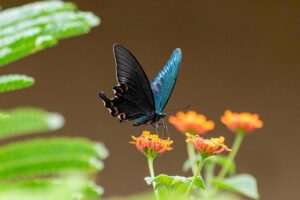
 A vibrant, thriving garden is more than just a feast for the eyes—it can also serve as a sanctuary for pollinators. Bees, butterflies, hummingbirds, and other beneficial insects play a crucial role in our ecosystem by transferring pollen from one flower to another, ensuring plants reproduce and produce fruits, vegetables, and seeds. However, with habitat loss and the widespread use of pesticides, pollinators are facing unprecedented challenges. One of the most effective ways to support these essential creatures is by cultivating a pollinator-friendly garden.
A pollinator-friendly garden is designed to attract and sustain these insects with the right combination of nectar-rich flowers, shelter, and water sources. The choice of plants is key; native flowers are particularly valuable because they have evolved alongside local pollinators and provide the perfect nourishment they need. In addition, planting a variety of flowers that bloom at different times of the year ensures a continuous food supply, helping pollinators thrive throughout the seasons.
Beyond ecological benefits, these gardens also bring beauty, color, and life to any outdoor space. Imagine a garden buzzing with bees, fluttering butterflies, and the gentle hum of nature—it’s a living, breathing testament to the harmony between humans and wildlife. Even small spaces, such as balconies or window boxes, can be transformed into pollinator havens with careful plant selection.
By prioritizing pollinator-friendly plants, gardeners not only support essential wildlife but also enhance their own gardening success. Healthier pollinators mean better fruit set, more abundant blooms, and a flourishing garden. Creating a pollinator-friendly garden is a simple yet powerful way to contribute to biodiversity, protect our environment, and enjoy a more lively and sustainable outdoor space.
Create a Pollinator-Friendly Garden with These Flowers
A vibrant, thriving garden is more than just a visual delight—it can also become a haven for pollinators. Bees, butterflies, hummingbirds, and other beneficial insects play an essential role in our ecosystem by transferring pollen between flowers. This natural process ensures plants reproduce successfully, yielding the fruits, vegetables, and seeds that sustain life on Earth.
However, pollinators are under threat due to habitat loss, pesticide use, and urbanization. The good news? Every gardener can make a difference. One of the most rewarding ways to help is by cultivating a pollinator-friendly garden—a sanctuary designed to attract, nourish, and protect these vital creatures.
🌼 Choosing the Right Flowers
The heart of a pollinator-friendly garden lies in plant selection. Native flowers are especially valuable since they’ve evolved alongside local pollinators, providing the perfect mix of nectar and pollen. Include a variety of blooms that flower at different times of the year to ensure a steady food supply from spring through autumn.
🐝 Creating a Pollinator Haven
To truly support pollinators:
- Plant in clusters: Groups of the same flower type are easier for pollinators to find.
- Avoid chemicals: Say no to pesticides and opt for natural pest control.
- Add water sources: A shallow dish with pebbles helps butterflies and bees rehydrate.
- Provide shelter: Allow a few wild patches or install bee hotels for nesting sites.
🌺 Beauty Meets Biodiversity
Beyond the ecological benefits, a pollinator-friendly garden fills your space with color, movement, and sound—buzzing bees, fluttering wings, and the hum of life. Even small spaces like balconies, terraces, or window boxes can be transformed into miniature pollinator paradises with the right plant choices.
🌿 A Win-Win for Gardeners and Nature
Supporting pollinators not only nurtures biodiversity but also boosts your garden’s productivity. With healthy pollinators at work, you’ll enjoy better fruit set, richer blooms, and a more resilient garden ecosystem.
Creating a pollinator-friendly garden is a small step with a big impact—a gesture of gratitude to nature that brings beauty, balance, and sustainability right to your doorstep.
Conclusion
Creating a pollinator-friendly garden is more than just an act of gardening—it’s a commitment to protecting and restoring nature’s delicate balance. By planting nectar-rich flowers, providing safe nesting spaces, and avoiding harmful chemicals, you transform your outdoor space into a vibrant ecosystem that supports bees, butterflies, and other vital pollinators. These small creatures are the unsung heroes of our environment, ensuring that plants reproduce, crops flourish, and natural beauty endures.
Beyond the environmental impact, a pollinator-friendly garden offers immense personal satisfaction. Watching butterflies dance among blossoms and hearing the gentle hum of bees creates a sense of harmony and connection with nature. It also improves the health of your garden—stronger pollination leads to more abundant blooms and richer harvests. Whether you have a sprawling yard or a compact balcony, every flower you plant contributes to the greater goal of biodiversity and sustainability.
In a world where pollinators face increasing challenges, each of us can make a difference. A few thoughtful plant choices and eco-friendly practices can turn any garden into a thriving sanctuary. Together, we can nurture a greener planet—one pollinator at a time.
Bring your garden to life
Start building your pollinator paradise today!
Explore natural gardening products, eco-friendly fertilizers, and organic pest solutions at Indochem Agrovet.
Let’s grow greener together — nurturing nature, one bloom at a time.
📞 Call Us: +91 9830 720311 / 83369 77770
🏠 Mumbai Address: Parewala House No.4, Vakola, Santacruz (East), Mumbai 400055
🏠 Kolkata Address: Block – DD, House No-197, 1st Floor, Street No-295, Action Area-1, New Town, Kolkata, West Bengal 700156