
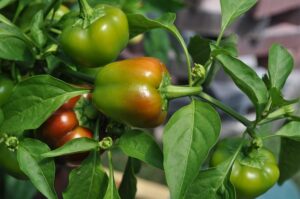
 Gardening is more than just planting seeds—it’s about creating a thriving ecosystem that supports healthy soil, abundant crops, and sustainable living. In today’s world, where chemical fertilizers and pesticides dominate mainstream gardening practices, many people are turning back to traditional methods that work in harmony with nature. Organic gardening, at its core, is a no-chemical approach that emphasizes natural solutions, ecological balance, and long-term sustainability.
The beauty of organic gardening lies in its simplicity. Instead of relying on synthetic inputs, organic methods encourage the use of compost, natural fertilizers, and beneficial organisms to enrich the soil and protect plants. This not only produces safer and more nutritious food but also fosters biodiversity in your backyard. By welcoming earthworms, bees, and other natural allies, you create a self-sustaining garden that requires less intervention and grows stronger over time.
For beginners, organic gardening may sound complicated, but it’s surprisingly accessible. It starts with understanding your soil, choosing the right plants, and practicing natural techniques like crop rotation, mulching, and companion planting. These simple practices reduce pests, conserve water, and improve fertility—all without chemicals. The result is a garden that’s safer for your family, kinder to the planet, and more rewarding to maintain.
Whether you’re growing vegetables, herbs, or flowers, organic gardening offers a healthier, more mindful way to connect with nature. It empowers you to take control of what goes into your soil and onto your plate, ensuring a cleaner, greener future. With a little patience and the right approach, anyone can enjoy the benefits of lush, chemical-free gardening.
The Building Blocks of Organic Gardening
The foundation of organic gardening begins with healthy soil. Unlike conventional gardening, which often depends on synthetic fertilizers, organic methods prioritize enriching the soil naturally. Compost, decomposed kitchen scraps, and garden waste add essential nutrients, improve soil texture, and promote microorganisms that keep plants strong. Earthworms, fungi, and beneficial bacteria thrive in such conditions, creating a living soil system that continually regenerates itself.
Another key element is natural pest control. Instead of chemical sprays, organic gardeners rely on integrated pest management (IPM), which encourages balance rather than eradication. Companion planting—such as growing marigolds near tomatoes or basil near peppers—can naturally repel harmful insects while attracting pollinators. Introducing beneficial insects like ladybugs or lacewings further reduces pest populations without disrupting the ecosystem. These techniques allow plants to grow more resilient and less dependent on external inputs.
Water management is equally important. Organic gardens emphasize sustainable irrigation practices like rainwater harvesting, drip systems, or mulching to retain soil moisture. Mulch, made from straw, leaves, or grass clippings, not only conserves water but also suppresses weeds and adds organic matter back into the soil as it decomposes. This natural cycle minimizes waste and nurtures soil health year after year.
Seed selection also plays a vital role. Organic gardeners often choose heirloom or non-GMO seeds that have adapted to local conditions. These seeds typically require fewer resources and are more resistant to pests and diseases. By saving seeds season after season, gardeners can maintain biodiversity while reducing dependency on commercial suppliers.
Ultimately, organic gardening is not just a method—it’s a mindset. It’s about fostering harmony between soil, plants, water, and wildlife. Each choice, from composting to companion planting, contributes to a system where nature supports itself. By eliminating chemicals, gardeners cultivate not only healthier plants but also a healthier planet.
The Benefits and Sustainability of Organic Gardening
One of the greatest advantages of organic gardening is the assurance of health and safety. By eliminating chemical pesticides, herbicides, and synthetic fertilizers, the food produced is free from harmful residues. This means the vegetables and fruits you harvest are not only fresher but also richer in nutrients and flavor. Families benefit from cleaner, more wholesome produce, and gardeners gain peace of mind knowing exactly what has gone into their food.
Beyond personal health, organic gardening plays a crucial role in environmental sustainability. Chemical-based gardening often disrupts natural ecosystems, contaminating soil and water sources. In contrast, organic practices restore balance by working with nature rather than against it. Composting reduces household waste, mulching conserves water, and organic fertilizers prevent runoff that can pollute rivers and lakes. This approach ensures the garden thrives while protecting the environment for future generations.
Biodiversity is another significant benefit. An organic garden becomes a haven for pollinators like bees, butterflies, and beneficial insects, all of which are vital to maintaining healthy ecosystems. Birds and other wildlife are drawn to these spaces as well, creating a vibrant and balanced environment. By encouraging biodiversity, gardeners help strengthen natural resilience against pests and diseases, making the system more self-sustaining over time.
Organic gardening also supports long-term soil health. Unlike synthetic fertilizers that deliver quick but temporary boosts, organic methods build fertility year after year. Healthy soil retains more nutrients, holds water more effectively, and resists erosion. This creates a cycle of sustainability where each season strengthens the foundation for the next, reducing reliance on costly external inputs.
Start your organic gardening journey today! Discover how simple, natural, and rewarding chemical-free gardening can be. From soil care to sustainable practices, we’ll guide you every step of the way.
📞 Call us now: +91 9830 720311 / 83369-77770
📍 Mumbai: Parewala House No.4, Vakola, Santacruz (East), Mumbai 400055
📍 Kolkata: Block – DD, House no-197, 1st Floor, Street no-295, Action Area-1, New Town, Kolkata 700156
🌐 Visit: https://indogardening.com/
Grow naturally. Live sustainably. Choose IndoGardening.