
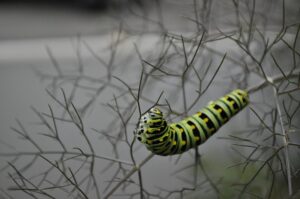
 Gardening is one of the most rewarding hobbies, offering beauty, fresh produce, and a sense of connection with nature. Yet, every gardener knows the frustration of battling pests that damage plants, ruin harvests, and upset the balance of a carefully nurtured garden. While chemical pesticides may promise quick results, they often come at the cost of soil health, beneficial insects, and even human safety. This is where natural pest control methods become an essential, eco-friendly alternative.
Natural pest control focuses on working with nature rather than against it. By encouraging biodiversity, using homemade solutions, and adopting preventive practices, gardeners can keep harmful pests in check without harming the environment. Techniques like companion planting, introducing beneficial insects, and using organic sprays made from neem, garlic, or soap are simple yet effective strategies. These methods not only reduce pest populations but also strengthen plants, improve soil fertility, and create a healthier ecosystem in the long run.
The beauty of natural pest control is that it empowers gardeners to maintain balance in their green spaces while avoiding harmful chemicals. Whether you have a small balcony garden or a sprawling backyard, these techniques are adaptable, cost-effective, and surprisingly easy to implement. By embracing natural solutions, gardeners can protect their plants, support pollinators, and enjoy harvests that are not just abundant, but also safe and sustainable.
Effective Natural Pest Control Methods for Gardeners
When it comes to keeping pests at bay, nature offers a wide range of solutions that are both safe and sustainable. These methods not only help control harmful insects but also encourage a healthier ecosystem in your garden. Here are some of the most effective techniques every gardener should try:
- Companion Planting
Certain plants naturally repel pests or attract beneficial insects. For example, marigolds deter nematodes and aphids, while basil repels mosquitoes and whiteflies. Planting herbs like dill, mint, or rosemary near vegetables can confuse pests and reduce infestations. - Beneficial Insects
Not all insects are enemies—many are valuable allies. Ladybugs, lacewings, and hoverflies feed on aphids and mites, while predatory wasps and spiders help control caterpillars and other destructive pests. By planting nectar-rich flowers, you can attract these natural predators to your garden. - Organic Sprays and Solutions
Homemade remedies such as neem oil spray, garlic-chili solution, or insecticidal soap are highly effective against soft-bodied pests. Neem oil, in particular, not only kills harmful insects but also disrupts their life cycle, preventing future infestations. - Physical Barriers
Simple barriers like row covers, fine mesh nets, or copper tape can prevent pests such as caterpillars, beetles, and slugs from reaching your plants. Handpicking visible pests is another direct yet effective approach for small gardens. - Healthy Soil Practices
Strong, resilient plants are naturally less susceptible to pests. By enriching soil with compost, mulching, and rotating crops, you promote vigorous plant growth and reduce the chances of infestations taking hold. - Natural Repellents and Traps
Sprinkling diatomaceous earth around plants creates a physical barrier against crawling insects. Beer traps are excellent for controlling slugs, while yellow sticky traps help manage whiteflies and gnats.
Adopting these natural methods not only minimizes damage to your garden but also ensures that pollinators, soil microbes, and other beneficial organisms thrive. With patience and consistency, these practices foster a balanced ecosystem where plants, insects, and humans coexist harmoniously.
Conclusion
A thriving garden is not just about beautiful plants or abundant harvests—it’s also about balance. By choosing natural pest control methods, gardeners can protect their green spaces while nurturing the environment. Instead of relying on harsh chemicals that may damage soil health and harm pollinators, these eco-friendly practices work in harmony with nature.
Whether it’s companion planting, attracting beneficial insects, or using organic sprays, each method strengthens the garden’s resilience against pests while keeping it safe for humans and pets. Physical barriers and natural traps provide additional layers of protection, while healthy soil practices ensure that plants grow stronger and more resistant over time.
The real beauty of natural pest control lies in its long-term benefits. Not only do you reduce the risks of chemical exposure, but you also create a sustainable ecosystem where beneficial organisms can flourish. This makes gardening more rewarding, as every harvest becomes a product of care, patience, and respect for nature.
By embracing these methods, gardeners can enjoy lush, pest-free gardens while contributing to a greener, healthier planet. Natural solutions are not just effective—they are the future of sustainable gardening.
Bring Nature Home with IndoGardening! Discover expert gardening tips, organic solutions, and everything you need for a greener, healthier space.
👉 Visit us: indogardening.com
📍 House No.4, Vakola, Santacruz (East), Mumbai 400055
📞 Call: 83369-77770
Grow Smart. Grow Green. Grow with IndoGardening!