
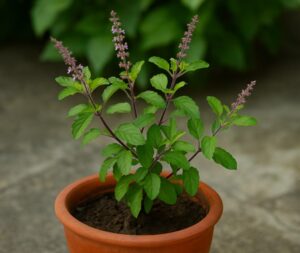
 Tulsi, also known as Holy Basil, holds a special place in Indian households not just as a sacred plant but also as a symbol of prosperity, health, and spiritual harmony. For centuries, Tulsi has been revered in Ayurveda for its healing properties and in Vastu Shastra for attracting positive energies. Growing Tulsi at home is believed to invite peace, ward off negativity, and bring blessings of wealth and well-being. Beyond its spiritual significance, Tulsi also acts as a natural air purifier, improves immunity, and can be used in daily remedies, making it an essential plant for every household.
When you grow Tulsi at home, you cultivate more than just a green herb—you nurture a tradition that blends health, devotion, and prosperity. Many people place Tulsi in the courtyard, balcony, or near the entrance of their homes, as it is said to radiate positive vibrations. The plant is often worshipped daily and used in rituals, symbolizing purity and divine energy. Even modern homes and apartments can easily accommodate Tulsi in pots or containers, allowing families to stay connected to their cultural roots while also benefiting from its medicinal values.
Tulsi is simple to grow, requiring minimal care and thriving well in the Indian climate. With adequate sunlight, proper watering, and organic soil, the plant grows lush and healthy, offering aromatic leaves throughout the year. As a hardy and low-maintenance plant, Tulsi is perfect for both experienced gardeners and beginners. By choosing to grow Tulsi at home, you not only add greenery to your living space but also invite prosperity, positivity, and divine grace into your life.
Step-by-Step Guide to Grow Tulsi at Home
Growing Tulsi at home is a rewarding experience that blends gardening, wellness, and spirituality. With the right approach, anyone can cultivate a thriving Tulsi plant that not only purifies the air but also attracts peace and prosperity into the household. Here’s how you can start:
- Choosing the Right Pot and Location
Select a medium to large-sized earthen pot or clay container with proper drainage holes. Traditionally, Tulsi is grown in earthen pots as they allow natural airflow to the roots. Place the pot in the east, northeast, or near the entrance of your home as per Vastu Shastra. These directions are considered auspicious and believed to attract positive energy. Ensure the plant receives at least 4–6 hours of direct sunlight daily.
- Preparing the Soil
Tulsi thrives in well-drained, fertile soil. Mix garden soil with organic compost or cow dung manure to create a nutrient-rich medium. The soil should be slightly moist but not waterlogged. Using organic compost ensures the plant stays chemical-free, making its leaves safe for consumption and rituals.
- Planting Tulsi Seeds or Saplings
You can grow Tulsi at home either by sowing seeds or planting saplings. If using seeds, sprinkle them evenly on the soil surface and cover them lightly with soil. Keep the soil moist until germination occurs, usually within 1–2 weeks. Saplings are a quicker option and require minimal effort.
- Watering the Plant
Tulsi prefers moderate watering. Water the plant once a day in summer and every alternate day during winter. Overwatering can damage the roots, so ensure the pot has good drainage. Always water in the morning for better absorption.
- Caring for the Plant
Pinch off dry or yellow leaves regularly to encourage new growth. Occasionally prune the plant to maintain its shape and promote branching. Protect Tulsi from frost and heavy rains by shifting the pot indoors or under a shade when needed.
- Spiritual and Prosperity Benefits
Tulsi is considered a sacred plant, often worshipped daily with a diya (lamp) and incense. Lighting a diya near Tulsi is believed to invite prosperity and dispel negativity from the home. Offering water to Tulsi every morning enhances positivity and brings harmony to family life. According to Vastu, keeping Tulsi in the northeast direction strengthens spiritual energy and improves financial stability.
- Using Tulsi in Daily Life
The fresh leaves of Tulsi can be used in herbal teas, Ayurvedic remedies, and even cooking. Consuming Tulsi leaves boosts immunity, reduces stress, and promotes overall well-being. Keeping Tulsi in your home ensures that health and prosperity walk hand in hand.
When you grow Tulsi at home, you don’t just nurture a plant—you cultivate an age-old tradition that brings together spirituality, wellness, and abundance. With minimal care, Tulsi thrives and rewards you with positivity, protection, and prosperity for years to come.
In every sense, Tulsi is more than a plant—it is a blessing that unites health, devotion, and prosperity. When you grow Tulsi at home, you invite divine energy, purify your surroundings, and create a peaceful atmosphere. Its medicinal and spiritual benefits make it a cherished addition to any household. With simple care and devotion, Tulsi rewards you with positivity, protection, and abundance, ensuring your home remains a source of harmony, health, and everlasting prosperity.
IndoGardening – Grow Naturally, Live Healthy
Why settle for store-bought when you can harvest your own? At Indochem Gardening, we help you turn your balcony, terrace.
Explore our handpicked collection of Tulsi, organic composts, natural fertilizers, and eco-friendly gardening tools—crafted to make organic gardening simple, joyful, and productive. Whether you’re a beginner or a seasoned grower, we’ve got everything you need to nurture your plants and yourself.
📍 Find us at: Parewala House No. 4, Vakola, Santacruz (East), Mumbai – 400055
📞 Call us: 83369-77770
🌐 Shop online 24/7: www.indogardening.com
With IndoGardening, every seed you plant is a step towards a greener planet, a healthier kitchen, and a happier you.