
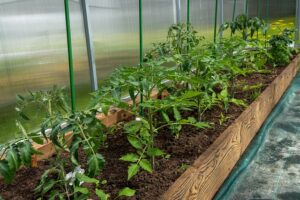
 Healthy soil is the heart of every thriving garden, and understanding how to nurture it is the first step toward growing strong, vibrant plants. Garden Soil Improvement isn’t just a technical process—it’s a joyful, ongoing relationship with the earth beneath your feet. When you take the time to enrich your soil naturally, you create a living foundation that supports flowers, vegetables, herbs, and fruit with equal enthusiasm.
Improving soil naturally means working with organic matter, beneficial microbes, and the rhythms of nature. Whether you’re a seasoned gardener or someone who has just started planting seeds of curiosity, the journey to healthier soil is both simple and deeply rewarding. Nature offers everything you need: compost, mulch, cover crops, earthworms, and time. By learning to harness these gifts, you can transform even the driest, toughest ground into rich, fertile soil that breathes life into your garden.
This guide walks you through practical, easy-to-follow steps to improve your garden soil without chemicals or complicated methods. With a little patience and steady care, your garden will respond with brighter blooms, stronger roots, and harvests that make every moment spent outdoors feel worthwhile. Let’s explore how you can nurture your soil naturally—one small step at a time.
- Start with Rich Organic Matter
The foundation of Garden Soil Improvement begins with adding organic matter. Compost is one of the most effective natural soil boosters because it introduces nutrients, enhances structure, and boosts microbial activity. Spread a 2–3-inch layer of compost over your soil at least once or twice a year. Kitchen scraps, dry leaves, and grass clippings can all become powerful compost when managed well. Organic matter not only feeds plants but also encourages earthworms and beneficial microorganisms to thrive.
- Mulching for Moisture and Microbes
Mulching is a gentle, natural way to improve soil health while protecting it from drying out. Organic mulches—like straw, wood chips, shredded leaves, or bark—slowly break down over time, adding nutrients back into the soil. Mulch helps regulate soil temperature, prevents erosion, retains moisture, and suppresses weeds. As it decomposes, it improves soil texture, making it looser and easier for roots to grow deep and strong.
- Use Cover Crops to Build Soil Fertility
Cover crops—such as clover, alfalfa, mustard, or legumes—play a vital role in restoring soil health. Planting cover crops during off-seasons prevents soil from becoming compacted or depleted. They add nitrogen, improve drainage, and protect the topsoil from harsh weather. When you cut and turn them back into the soil, they act as a natural fertilizer, increasing both nutrients and organic matter.
- Encourage Earthworms and Beneficial Microorganisms
A living soil is a healthy soil. Earthworms are natural soil tillers—loosening compacted earth, creating air channels, and distributing nutrients. You can encourage earthworms by keeping soil moist, adding compost regularly, and avoiding chemical fertilizers or pesticides. Beneficial microbes thrive on organic matter and help break down nutrients, making them more accessible to plants. The more life within your soil, the more resilient your garden will become.
- Avoid Chemical Fertilizers and Excessive Tilling
While chemical fertilizers may give quick results, they can harm the long-term structure and health of your soil. Natural Garden Soil Improvement relies on slow, steady nourishment instead of quick fixes. Excessive tilling breaks down soil structure, destroys microbial networks, and leads to compaction over time. Instead, adopt minimal till practices or no-dig gardening, which keeps the soil ecosystem intact and thriving.
- Test and Balance Your Soil pH
Healthy soil starts with good balance—particularly when it comes to pH. Most plants grow best in soil with a pH between 6.0 and 7.0. You can use a simple test kit to check your soil’s levels. If the soil is too acidic, adding lime can help. If it’s too alkaline, adding organic materials like compost, peat moss, or pine needles can bring it back into balance. Balanced soil ensures nutrients are properly absorbed, helping plants grow better naturally.
- Rotate Crops and Rest the Soil
Crop rotation prevents nutrient depletion and reduces pest-related stress. Rotating plant families ensures the soil gets a chance to replenish specific nutrients. Allowing certain garden beds to rest by planting light feeders or cover crops can also restore vitality. This natural cycle mimics how forests and fields rejuvenate on their own.
Conclusion
Improving your garden soil naturally is a journey of patience, care, and connection with nature. When you enrich the earth with organic matter, protect it with mulch, encourage healthy microbes, and avoid harsh chemicals, your garden begins to flourish in ways that feel almost magical. Stronger plants, brighter blooms, and richer harvests all begin with the soil beneath your feet. With small, consistent efforts, you can transform any patch of land into a thriving, living ecosystem that supports your gardening dreams season after season.
Next Steps to Protect Your Home (Call to Action)
Ready to Improve Your Garden Soil Naturally? Whether you’re just starting out or looking to refine your gardening skills, we’re here to help!
📍 Visit us: Parewala House No. 4, Vakola, Santacruz (East), Mumbai 400055
Call: 83369-77770
🌐 Explore: indogardening.com
📧 Email: indogardencare@gmail.com