
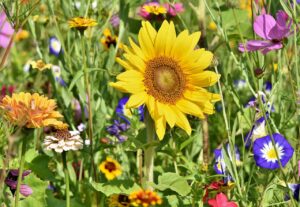
 Flower gardening is one of the most rewarding ways to bring life, colour, and fragrance into your home. Whether you have a spacious backyard, a charming balcony, or a small corner by the window, understanding key Flower Gardening Basic principles can help you achieve a thriving, vibrant garden throughout the year. Many beginners feel overwhelmed when selecting plants, preparing soil, or planning layouts—but with the right foundation, nurturing a garden becomes a joyful journey rather than a challenge.
A well-designed flower garden not only enhances your surroundings but also elevates your mood, improves air quality, and attracts helpful pollinators such as butterflies and bees. The secret lies in choosing the right plants, understanding their needs, and giving consistent care that encourages healthy growth and fresh blooms. With simple practices such as proper watering, soil enrichment, and seasonal planning, you can enjoy flowers that flourish beautifully in Indian weather conditions.
Whether you’re dreaming of a rose-filled pathway, a vibrant marigold corner, or a balcony dotted with petunias and bougainvillea, these flower gardening basics will set you up for success. Let’s walk through essential steps that will help you create a colourful, fragrant haven right at home.
- Choosing the Right Flowers
A strong start begins with selecting flowers suited to your region’s climate. In India, heat-tolerant varieties such as marigolds, hibiscus, zinnias, vincas, and bougainvillea thrive particularly well. For cooler seasons, petunias, dahlias, pansies, and chrysanthemums bring vibrant bursts of colour. Always read plant tags or consult a nursery expert to understand light requirements, watering needs, and ideal planting seasons. Matching plant needs to your local environment is one of the most important Flower Gardening Basic steps for long-lasting blooms.
- Preparing Healthy, Nutrient-Rich Soil
Soil quality plays a major role in plant growth. Most flowering plants prefer well-draining, loose, and nutrient-rich soil. Mix garden soil with compost, cocopeat, and sand to create a balanced medium that supports root development. Organic compost adds essential nutrients, improves soil texture, and enhances moisture retention. Regularly enriching the soil ensures that your plants remain strong, vibrant, and bloom-ready throughout the year.
- Ensuring Proper Sunlight
Flowers need adequate sunlight to thrive. While some varieties love full sun (6–8 hours daily), others prefer partial shade. Before planting, observe which areas of your garden or balcony receive the most sunlight. Sun-loving flowers like roses, marigolds, and zinnias perform best in bright locations, while impatiens and begonias thrive in filtered light. Understanding sunlight requirements is a critical flower gardening basic that ensures healthy flowering.
- Watering the Right Way
Watering is more than just pouring water into pots. Overwatering can lead to root rot, while underwatering causes plants to wilt and underperform. Water your flowers early in the morning or late in the evening to reduce evaporation. Check soil moisture by touching the top layer—if it feels dry, it’s time to water. Use a watering can with a gentle spout to avoid damaging delicate stems and petals.
- Feeding Your Plants Regularly
To encourage abundant blooms, feed your flowering plants with organic fertilizers like compost tea, vermicompost, or seaweed extract. Liquid fertilizers are quickly absorbed and help boost plant health. During peak blooming seasons, use a phosphorus-rich fertilizer that supports flower production. Feeding your plants every 15–20 days is an effective practice in the Flower Gardening Basic routine.
- Pruning and Deadheading
Regular maintenance keeps your garden lively and flourishing. Prune dry or diseased branches to prevent pest attacks and encourage new growth. Deadheading—removing spent flowers—stimulates the plant to produce fresh buds. This simple habit often results in fuller, longer-lasting blooms that beautify your space.
- Seasonal Planning and Care
Each season brings unique opportunities for flower gardening. Winter is ideal for cool-season flowers like petunias, dianthus, and pansies, while summer favours marigolds, portulaca, and sunflowers. Understanding seasonal cycles helps you plan a garden that stays colourful throughout the year. Rotate plants, refresh soil, and add mulch to protect roots from heat and moisture loss.
Conclusion
Flower gardening is a fulfilling journey that brings colour, fragrance, and life into your surroundings. By following essential Flower Gardening Basic principles—choosing the right plants, preparing healthy soil, ensuring proper sunlight, watering wisely, and maintaining seasonal care—you can enjoy vibrant blooms throughout the year. A well-planned flower garden not only beautifies your home but also nurtures peace and joy in your daily life. With consistent care and mindful gardening practices, anyone can grow a flourishing garden filled with fresh, radiant flowers. Start today and let nature reward you with endless beauty and serenity.
Next Steps to Protect Your Home & Grow a Beautiful Garden (CTA)
Ready to transform your home into a seasonal sanctuary of fresh blooms? Whether you’re a beginner or an experienced gardener looking to refine your skills, we’re here to guide you every step of the way!
📍 Visit us: Parewala House No. 4, Vakola, Santacruz (East), Mumbai 400055
📞 Call: 83369-77770
🌐 Explore: https://indogardening.com/
📧 Email: indogardencare@gmail.com