
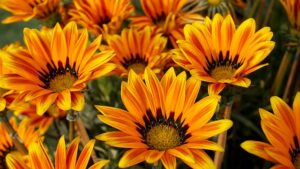
 Floriculture, a vibrant and specialized branch of horticulture, focuses on the cultivation of flowering and ornamental plants. While horticulture broadly refers to the art and science of plant cultivation—including fruits, vegetables, herbs, and decorative plants—floriculture narrows the lens to the world of blossoms. At Indogardening, we delve into the details of this colorful discipline, where science meets aesthetics, and technical knowledge translates into visual beauty.
Horticulture, often regarded as a more structured and scientific domain, lays the foundation for diverse plant-related practices. Within this larger umbrella, floriculture stands out for its emphasis on producing flowers for gardens, floral arrangements, and the commercial flower trade. From marigolds lining rural fields to roses grown in controlled greenhouse environments, floriculture is both an artful pursuit and a precise agricultural science.
India’s climate diversity and rich agricultural traditions make it a fertile ground for floricultural development. Beyond mere decoration, flowers hold cultural, economic, and therapeutic significance. With rising urban interest in terrace gardening, home décor, and commercial landscaping, the demand for flowering plants has steadily grown.
This blog aims to explore the evolving practices, plant varieties, and essential techniques that define modern floriculture in the Indian context. Whether you’re a seasoned gardener or a curious beginner, understanding floriculture through the lens of horticulture helps you appreciate the science behind every bloom. Join us at Indogardening as we step into the layered world of flower cultivation—where every petal has a purpose.
The Science and Technique Behind Floriculture
Floriculture is more than simply growing flowers—it’s a detailed practice grounded in horticultural science. Every vibrant bloom begins with careful planning: from selecting the right species and understanding their environmental needs, to applying precise cultivation techniques. Light exposure, soil composition, watering schedules, and pest management all play a role in producing healthy, vibrant flowers.
A key part of floriculture involves propagation—how new plants are grown. This may be done through seeds, cuttings, bulbs, or tissue culture. Each method has its advantages depending on the plant type and the grower’s goals. For example, commercial growers might rely on tissue culture for consistency and large-scale production, while home gardeners may prefer seeds or cuttings for their simplicity.
In India, floriculture has evolved significantly over the past few decades. Traditional flower farming, often done in open fields, is now accompanied by more modern techniques like greenhouse cultivation, hydroponics, and vertical farming. These advancements allow for better quality control, year-round production, and protection from adverse weather.
Some of the most widely cultivated flowers in India include marigold, rose, jasmine, tuberose, and gerbera. Each has its own growing requirements and market demand. Marigolds, for instance, are popular in festivals and religious ceremonies, while roses dominate the bouquet and gift market.
Commercial floriculture also supports several allied industries such as flower export, essential oil production, dried flower crafts, and floral design services. As a result, it contributes not only to agriculture but also to employment and entrepreneurship opportunities.
At Indogardening, we believe understanding the techniques and trends in floriculture is key to becoming a skilled grower or informed enthusiast. Whether you’re cultivating for personal enjoyment or considering it as a commercial venture, knowing the horticultural science behind floriculture helps you grow healthier plants and make smarter choices.
Stay with us as we break down the essentials—from soil mixes to blooming cycles—and explore what makes floriculture such a fascinating and rewarding field within the broader world of plant cultivation.
Conclusion: Floriculture’s Growing Relevance in Modern Gardening
Floriculture, deeply rooted in the scientific principles of horticulture, continues to shape the way we engage with plants—both aesthetically and economically. What was once limited to seasonal flower beds or temple offerings has now expanded into a dynamic field involving home gardens, commercial greenhouses, urban landscaping, and export markets. Its increasing relevance reflects not just a love for beauty, but also a growing awareness of plant care, garden planning, and the economic value of florals.
India’s favorable agro-climatic zones, rich cultural demand for flowers, and expanding urban spaces present unique opportunities for floriculture to thrive. However, successful cultivation requires more than just planting and watering—it demands an understanding of plant biology, regional climate, pest control, and post-harvest care, all of which stem from horticultural knowledge.
At Indogardening, we aim to provide practical insights and region-specific guidance to help you succeed in your floral journey. Whether you’re growing for joy, beauty, or business, floriculture invites you to see plants not just as decoration, but as living expressions of careful cultivation and thoughtful practice. Keep following us for more tips, trends, and techniques in the blooming world of floriculture.
Ready to Start Your Floriculture Journey?
Discover the joy of growing flowers with expert guidance from Indogardening! Whether you’re a passionate home gardener or planning a commercial venture, we bring you hands-on tips, curated advice, and the latest floriculture trends tailored for Indian conditions.
Visit our blog for weekly updates: indogardening.com/blog
Drop by: Parewala House No.4, Vakola, Santacruz (East), Mumbai 400055
Call us at: 83369-77770
Join the blooming community today and let every flower you grow be a reflection of knowledge, care, and creativity—only with Indogardening.