
 Introduction
If you’ve ever wondered what to do with your kitchen scraps or garden waste, composting at home is your answer. It’s not just for seasoned gardeners—anyone can start composting with a few basic materials and a little space. Whether you live in a house with a backyard or a flat with a small balcony, creating your own organic compost is both achievable and rewarding.
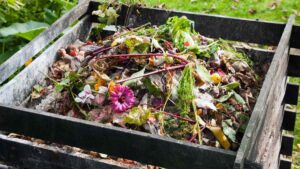
Composting is the natural process of breaking down organic materials like vegetable peels, fruit scraps, dry leaves, and coffee grounds into nutrient-rich soil. This homemade compost improves plant health, enriches soil texture, and supports overall garden growth without chemical fertilizers.
With rising interest in home gardening and eco-conscious living, composting is becoming an essential practice for urban gardeners. It helps manage daily waste efficiently and turns it into something your plants will love. You don’t need expensive tools or machines to begin—just a little commitment and the right balance of green and brown materials.
This guide will walk you through every step of starting and maintaining your own compost bin, whether it’s a pit, a drum, or a simple corner in your yard. Let’s explore how to transform everyday waste into garden gold!
How to Start Composting at Home: A Simple Step-by-Step Guide
- Choose the Right Spot
Start by selecting a dry, shaded area near a water source. It could be a corner of your garden, balcony, or even under your kitchen sink with a compact compost bin. Good air circulation and drainage are key, so make sure the spot isn’t completely sealed off. - Select a Composting Method
There are many ways to compost. You can use a traditional compost pit, a plastic bin with a lid, or even a vermicompost unit with earthworms for faster results. Choose what suits your space and waste volume best. - Gather Your Materials
Composting requires two basic types of materials:
- Green waste: vegetable peels, fruit scraps, tea leaves, coffee grounds—these are rich in nitrogen.
- Brown waste: dry leaves, paper, cardboard, twigs—these add carbon.
A 2:1 mix of browns to greens works well. Avoid cooked food, meat, dairy, and oily items, as they attract pests.
- Layer and Turn
Start by adding dry leaves or paper at the bottom. Then, alternate between green and brown layers. Keep the pile moist—not wet. Turning the pile every few days with a stick or fork ensures proper air circulation and faster decomposition. - Monitor the Process
You’ll notice your pile heating up—this is a good sign! A healthy compost pile should feel warm and smell earthy. If it smells sour or rotten, add more browns and turn it more frequently. - Harvest the Compost
In 6–8 weeks (or longer, depending on the method), your compost will be dark, crumbly, and smell like soil. Sift it to remove large chunks and use the rest directly in pots, garden beds, or as top dressing for your plants. - Use It Regularly
Apply your organic compost every 2–3 months. It improves soil fertility, promotes root health, and keeps your plants thriving without the need for chemical boosters.
Conclusion
Starting composting at home may seem like a small step, but it brings big results—for your garden and the environment. By turning everyday kitchen and garden waste into organic compost, you’re not only reducing landfill waste but also creating a rich, living soil enhancer that your plants will truly benefit from.
Whether you’re growing herbs on a balcony or maintaining a lush backyard, homemade compost helps improve soil texture, boosts microbial activity, and encourages stronger, healthier plant growth. It’s nature’s way of recycling—and the results are visible right in your garden beds and pots.
With just a little attention and consistency, composting becomes a natural part of your routine. No fancy equipment needed—just your food scraps, dry waste, and a commitment to better gardening.
Remember, good compost doesn’t just feed your plants—it transforms the way you garden. And once you experience the benefits, there’s no turning back.
Ready to Transform Your Garden Dreams into Reality?
Whether you’re a beginner or a seasoned green thumb, Indogardening has everything you need to nurture your space into a lush paradise. From expert advice to the best garden tools and plants, we’re here to grow with you!
📞 Call us at 83369-77770 or
Visit us at Parewala House No.4, Vakola, Santacruz (East), Mumbai 400055
💻 Explore more at indogardening.com
Let your garden thrive with Indogardening — your green companion!