
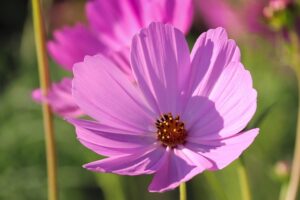
 Tending plants, especially growing flowers, blends creativity with care and science. On behalf of Indogardening, this blog introduces how horticulture, the scientific practice of plant cultivation, plays a vital role in managing home gardens and professional landscapes alike. Whether you’re a hobbyist planting a seasonal flower bed or a dedicated gardener shaping vibrant floral borders, the process begins with understanding plant behavior, soil needs, and environmental conditions.
Landscaping plays a crucial part in this journey. It’s not just about aesthetic appeal but about designing living spaces that promote healthy plant life. Flowers, in particular, require thoughtful placement, light management, and regular pruning—skills rooted in basic horticultural knowledge. When you integrate flowers into a larger landscape design, you create layers of texture and color that evolve through the seasons.
This blog delves into the essentials of floral gardening, exploring how careful tending can transform even small spaces into colorful, blooming corners. From choosing native flowers that thrive locally to applying structured horticultural techniques, every decision shapes the final result. And while flower care may seem like a personal or artistic choice, it is deeply grounded in science.
Join Indogardening as we explore the enriching world of tending flowers, where practical techniques meet natural beauty. This introduction sets the stage for deeper insights into flower care, layout planning, and landscaping tips that every gardening enthusiast—beginner or experienced—can enjoy and apply in their own green space.
Mastering the Basics of Flower Gardening with Horticultural Precision
Successful flower gardening begins with a solid understanding of horticultural principles. While flower lovers may be drawn by vibrant colours and fragrances, true garden success lies in recognizing the specific needs of each plant species. Horticulture, the scientific foundation of plant care, offers clear guidance on how to nurture flowers—from soil preparation to pest control—making every bloom more vibrant and long-lasting.
The first step is assessing your garden’s light, soil, and moisture levels. Some flowers, like marigolds and zinnias, flourish in full sun, while others such as impatiens and begonias thrive in shaded corners. Horticultural planning ensures each flower gets its ideal environment, reducing stress on the plant and improving overall garden health. Amending the soil with organic matter and balancing pH levels are also key horticultural practices that directly affect plant growth and flower quality.
Landscaping with flowers involves more than simply planting them in rows or pots. It requires thoughtful design that considers height, color harmony, seasonal variation, and bloom cycles. For example, mixing tall dahlias with low-growing petunias creates a dynamic, layered appearance. Using perennials like daylilies alongside seasonal annuals ensures that the garden remains visually appealing throughout the year.
Regular maintenance is part of any flower gardener’s routine. Pruning spent flowers, known as deadheading, encourages plants to produce more blooms. Mulching around flower beds helps retain moisture, suppress weeds, and improve soil structure over time. Integrated pest management—an important horticultural technique—relies on natural solutions to control insects without harming beneficial organisms.
Incorporating flowers into your landscaping design also enhances biodiversity. Pollinator-friendly species such as sunflowers, lavender, and cosmos invite bees and butterflies, supporting ecological balance in your garden. Flowering borders along pathways or fences can transform otherwise dull spaces into vibrant walkways filled with life and movement.
Lastly, container gardening offers flexibility for those with limited ground space. Balcony railings, window sills, and terrace edges can become blooming areas with the right potting mix and drainage. With horticultural insight, even small spaces can support a thriving collection of seasonal and ornamental flowers.
Through careful tending, guided by both experience and horticultural science, your flower garden becomes a living canvas. Each decision—whether about plant placement, irrigation, or pruning—contributes to a flourishing, colorful environment that grows more beautiful with time.
Conclusion
Tending plants, especially flowers, is a rewarding practice that blends artistry with the structured knowledge of horticulture. Whether you’re shaping garden beds or enhancing your space through landscaping, thoughtful care and consistent maintenance make all the difference. Understanding plant needs, seasonal patterns, and design principles empowers gardeners to create flourishing, visually appealing spaces. From vibrant borders to container blooms, every element contributes to a garden that’s both functional and beautiful. With guidance from Indogardening, even a modest effort in flower care can lead to a thriving, blooming retreat—one that delights the senses and enriches the environment year-round.
Ready to Transform Your Garden into a Blooming Paradise? 🌼
Join hands with Indogardening—your trusted partner in all things flowers, horticulture, and expert landscaping advice. Whether you’re starting small or dreaming big, we help you grow with confidence and creativity.
Call us today at 83369-77770
Visit us at: Parewala House No.4, Vakola, Santacruz (East), Mumbai 400055
Explore more tips and expert guides at www.indogardening.com
Let your garden speak the language of color and care—with Indogardening by your side!