
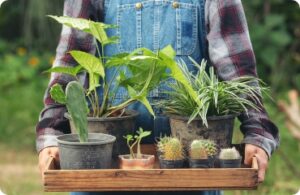
 In an era where environmental consciousness is paramount, transforming your garden into an eco-friendly haven not only benefits the planet but also yields a flourishing and vibrant outdoor space. By implementing eco-conscious practices, you can create a greener garden that thrives with minimal environmental impact. In this guide, we’ll delve into key eco-friendly practices to nurture a garden that’s not only beautiful but also a sanctuary for nature.
Composting for Nutrient-Rich Soil: Reducing Waste and Nourishing Your Garden
Composting is a cornerstone of sustainable gardening, and it plays a pivotal role in enriching your garden’s soil. Here’s how to do it:
Composting recycles organic waste like kitchen scraps, yard clippings, and leaves into nutrient-rich humus. The resulting compost not only reduces waste but also nourishes your garden’s soil.
By incorporating compost into your garden beds, you improve soil structure, enhance water retention, and promote healthy plant growth. It’s a cost-effective and environmentally friendly way to minimize landfill waste while transforming your garden into a fertile and greener garden paradise.
Rainwater Harvesting: Collecting Rain for Garden Irrigation
Rainwater harvesting is a sustainable method that conserves water while keeping your garden lush.
Here’s how to get started:
- Collecting rainwater in barrels or tanks when it rains allows you to harness nature’s gift for garden irrigation. This not only conserves water but also reduces your utility bills.
- The collected rainwater is free from the chemicals typically found in tap water, making it ideal for your garden. Plus, it reduces the burden on municipal water supplies, contributing to a greener, more sustainable future.
Native Plant Landscaping: Supporting Local Wildlife and Ecosystems
Choosing native plants is a cornerstone of environmentally conscious gardening.
Here’s why they’re essential:
- Native plants are naturally adapted to your local climate and conditions, which means they require less water and maintenance.
- By planting native species, you create a habitat that supports local wildlife and ecosystems. Birds, bees, and other pollinators thrive on native plants, promoting biodiversity in your garden.
- The use of native plants not only reduces the need for chemical fertilizers and pesticides but also helps conserve water, making it a crucial component of a greener garden.
Integrated Pest Management (IPM): Reducing Chemical Use for a Healthier Garden
Embracing integrated pest management is a holistic approach to pest control that minimizes the use of harmful chemicals:
- IPM involves a combination of strategies, such as planting pest-resistant species, introducing beneficial insects, and employing natural pest control methods.
- This approach reduces the need for chemical pesticides, preserving a healthier and greener garden. It also minimizes the risk to human health, local ecosystems, and beneficial insects.
- Incorporating these eco-friendly practices into your gardening routine not only contributes to a greener garden but also promotes a healthier and more sustainable environment. By composting, collecting rainwater, choosing native plants, and embracing integrated pest management, you’ll create a garden that thrives with minimal environmental impact.
A greener garden is not just a testament to your commitment to sustainability; it’s also a haven for local wildlife, a source of pride, and a sanctuary for relaxation and enjoyment. By making eco-conscious choices, you can cultivate a garden that flourishes in harmony with the environment, making your green space a testament to the beauty of sustainable living.