 The first time I tried chemical free vegetable gardening, it didn’t begin with a plan—it began with disappointment. I still remember standing in my small backyard, holding a bunch of spinach leaves that looked perfect but tasted… flat. No aroma, no real flavor. That moment made me question something simple: Are we growing vegetables, or just producing something that looks like vegetables?
A week later, I met an elderly gardener in my neighborhood who laughed when I told him about my experience. He said, “You’re feeding the plant, not the soil. That’s why.” That one sentence changed everything.
So, here’s a question for you—if vegetables look green and fresh, does that mean they’re healthy?
The Hidden Problem Nobody Talks About
Most people jump into gardening thinking seeds + water = success. But in reality, the soil today is tired. Years of chemical fertilizers and pesticides have stripped it of life.
We noticed that even small home gardens in cities struggle with:
- Poor soil texture
- Weak plant growth
- More pest attacks than before
One common mistake people make is assuming that stopping chemicals alone will fix everything. It doesn’t. You have to rebuild the system from the ground up.
A Real Example from West Bengal
In our experience, a small farmer near Nadia shifted to chemical free vegetable gardening after noticing rising costs. Initially, his yields dropped. Neighbors even told him he made a mistake.
But by the second season, something changed:
- Soil became softer
- Earthworms returned
- Vegetables had stronger taste
He started selling at a slightly higher price in the local market because customers could tell the difference.
That’s when it clicked—chemical-free is not quick profit, it’s long-term value.
What Chemical Free Vegetable Gardening Actually Means
It’s not just about avoiding fertilizers or pesticides. It’s about creating a natural ecosystem where plants grow the way they are supposed to.
This includes:
- Using compost instead of synthetic fertilizers
- Encouraging beneficial insects
- Improving soil biology
- Practicing crop rotation
Many farmers tell us that once they understand this balance, gardening becomes easier—not harder.
The Soil Is the Real Hero (Not the Plant)
Think of soil as a living system, not just dirt.
Healthy soil contains:
- Microorganisms
- Organic matter
- Air pockets
- Moisture balance
We noticed that when compost is added regularly, plants need fewer interventions. They grow stronger on their own.
Simple Soil Boosting Methods:
- Kitchen waste composting
- Vermicomposting
- Cow dung-based manure
- Leaf mulch
Pest Control Without Panic
The biggest fear people have is pests. “If I don’t use chemicals, won’t everything get destroyed?”
Here’s the truth—pests attack weak plants more.
Instead of reacting, focus on prevention:
- Neem oil spray
- Garlic-chilli solution
- Companion planting (like marigold with tomatoes)
In our experience, once balance is created, pest attacks reduce naturally.
Common Mistakes That Ruin Chemical Free Gardens
Let’s talk honestly—this is where most beginners fail.
- Expecting Instant Results
Chemical gardening gives quick growth. Natural methods take time.
- Overwatering Plants
More water doesn’t mean more growth. It often leads to root rot.
- Ignoring Soil Preparation
Planting directly into poor soil rarely works.
- Copying Without Understanding
What works in one region may not work in another.
A Farmer’s Story That Stays With Me
I once spoke to a farmer who said something powerful:
“Earlier I was growing vegetables for the market. Now I grow for my family first, and the rest goes to the market.”
That shift in mindset is what defines chemical free vegetable gardening.
He noticed:
- His family’s health improved
- Medical expenses reduced
- Soil stayed fertile season after season
Practical Tips You Can Start Today
No need to wait or overthink. Start small.
- Begin with 2–3 vegetables (like spinach, tomatoes, chilli)
- Use compost from your kitchen
- Avoid mixing too many techniques at once
- Observe your plants daily
We noticed that gardeners who observe more, interfere less, succeed faster.
Cost vs Benefit: The Real Picture
| Factor | Chemical Gardening | Chemical Free Gardening |
| Initial Cost | Lower | Slightly higher |
| Long-term Cost | High | Low |
| Soil Health | Declines | Improves |
| Taste Quality | Average | Rich & natural |
| Market Value | Standard | Premium |
At first glance, chemical-free seems expensive. But over time, it saves money and builds sustainability.
Before vs After Transition
Before:
- Hard soil
- Frequent pest attacks
- Dependency on fertilizers
After:
- Loose, fertile soil
- Balanced ecosystem
- Reduced input cost
Many farmers tell us this transformation takes 1–2 seasons, not overnight.
What Experts Quietly Recommend
Agriculture experts often say something simple:
“Feed the soil, not the plant.”
This means:
- Focus on organic matter
- Maintain biodiversity
- Avoid disturbing soil too much
Even small changes can lead to big results.
Local Market Reality
In cities like Kolkata, demand for chemical-free vegetables is rising. People are willing to pay more for:
- Safe food
- Better taste
- Trustworthy sources
Some small growers are even selling directly through WhatsApp groups and local communities.
Government Support You Might Not Know About
There are schemes supporting organic and natural farming in India, such as:
- Paramparagat Krishi Vikas Yojana (PKVY)
- State-level organic farming subsidies
Many people don’t apply simply because they are unaware.
Questions People Often Ask
Is yield lower in chemical free gardening?
Initially yes, but it stabilizes and improves over time.
Can I do this in a balcony?
Absolutely. Even pots can support chemical free vegetable gardening.
How long does soil recovery take?
Usually 6 months to 1 year, depending on condition.
Do I need special seeds?
Not necessarily, but local seeds perform better.
A Thought to Leave You With
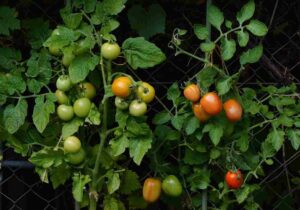
If you grow a tomato without chemicals, it may take longer. It may not look perfectly shiny. But when you cut it open and smell that real aroma—you’ll understand why this journey matters.
Because at the end of the day, chemical free vegetable gardening is not just about growing food.
It’s about growing trust—in what we eat, in how we live, and in the soil beneath our feet.
To know more visit https://indogardening.com/