
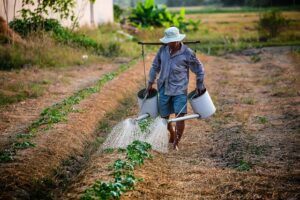
 A thriving garden doesn’t have to rely on excessive watering—especially when thoughtful planning, mindful care, and smart Water-Saving Techniques can create a lush, beautiful landscape with far less waste. Today, as weather patterns shift and water availability becomes increasingly unpredictable, gardeners everywhere are seeking ways to maintain healthy plants while conserving precious resources. Fortunately, with a few practical adjustments, you can nurture a flourishing garden that’s both eco-friendly and cost-effective.
Using Water-Saving Techniques not only reduces your water bill but also strengthens your plants, helping them develop deeper roots and greater resilience. Whether you have a small balcony setup or a spacious backyard garden, these simple strategies can be adapted to any environment. The best part? You don’t need expensive tools or complex systems—just a willingness to observe, experiment, and care for your garden in a more intentional way.
This guide will walk you through effective methods to reduce water usage without compromising on beauty or productivity. From mulching to rainwater harvesting to choosing the right plants, each technique brings you one step closer to creating a sustainable, water-wise oasis. Let’s explore how small changes can make a big difference in your garden’s long-term health.
- Mulching: Your Garden’s Protective Blanket
Mulching is one of the most powerful Water-Saving Techniques every gardener should adopt. By covering the soil with organic materials like straw, leaves, wood chips, or compost, you help lock in moisture and reduce evaporation. Mulch keeps the soil cool, minimizes weed growth, and enriches the soil as it breaks down. A 2–3 inch layer is usually enough to make a noticeable difference. Not only does mulching conserve water, but it also promotes healthier roots and creates a more stable growing environment for your plants.
- Drip Irrigation for Slow, Steady Watering
Instead of watering overhead, where much of the moisture evaporates before reaching the roots, consider using a drip irrigation system. Drip lines deliver water directly to the base of the plant, making them one of the most efficient Water-Saving Techniques. This method prevents water wastage, ensures uniform hydration, and reduces the risk of fungal diseases caused by wet leaves. Even a simple DIY drip setup can significantly decrease water usage while improving plant growth.
- Choose Drought-Tolerant Plants
Selecting plants that naturally require less water is a smart and sustainable approach. Look for species adapted to your climate—native plants, succulents, herbs like rosemary and thyme, and hardy shrubs are excellent choices. These varieties thrive with minimal watering and bounce back quickly after dry spells. Incorporating drought-resistant plants into your garden design reduces the overall water demand and makes your gardening routine easier and more efficient.
- Water Early in the Morning
Timing matters when practicing Water-Saving Techniques. Watering early in the morning ensures that moisture reaches the roots before the day’s heat evaporates it. Morning watering also prepares your plants for the rising temperatures ahead, helping them stay hydrated throughout the day. Avoid watering in the afternoon, when evaporation is highest, or at night, when damp foliage can invite pests and disease.
- Capture and Use Rainwater
Rainwater harvesting is an eco-friendly way to reuse nature’s free gift. Place barrels or containers under downspouts to collect runoff during a rainfall. This stored water is perfect for irrigating your garden during dry periods. Rainwater is soft, chemical-free, and particularly beneficial for plants. Even a small collection system can save hundreds of litres over the course of a season, making it one of the most effective Water-Saving Techniques available.
- Prepare and Improve Your Soil
Healthy soil retains more moisture. Adding compost, organic matter, and natural conditioners improves soil texture, helps water penetrate deeper, and reduces runoff. Clay soils benefit from organic matter that improves drainage, while sandy soils gain structure that helps them hold water longer. Investing time in soil preparation ensures your plants get the water they need without frequent watering.
- Group Plants with Similar Water Needs
Planting thirsty varieties together and drought-tolerant ones in another area makes your watering routine far more efficient. This technique, known as hydrozoning, prevents overwatering or underwatering and allows you to tailor irrigation based on plant needs. It’s a simple but strategic method to optimize water use and promote healthier plant growth.
Conclusion
Water-wise gardening doesn’t require drastic changes—just thoughtful choices and consistent care. By incorporating smart Water-Saving Techniques, you not only protect the environment but also create a healthier, more self-sustaining garden that thrives naturally. With mindful planning, efficient watering, and the right plant selection, your garden can stay vibrant even during dry seasons. Ready to embrace a greener, more sustainable gardening routine? Start today, and you’ll soon enjoy a thriving outdoor space that respects both nature and your resources.
Next Steps to Grow a Better Garden
Ready to build a healthier, more water-efficient garden? Our expert team is here to guide you with reliable advice, quality tools, and sustainable solutions. From smart watering methods to eco-friendly practices, we’ll help your garden thrive year-round.
Contact Us Today:
📍 Parewala House No. 4, Vakola, Santacruz (East), Mumbai 400055
📞 Call: 83369-77770
🌐 Visit: https://indogardening.com/
📧 Email: indogardencare@gmail.com
Let’s Work Together to Create a Greener, Smarter, And More Beautiful Outdoor Space.