
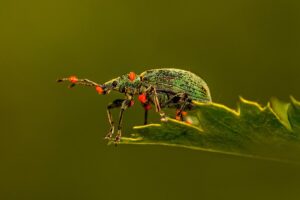
 Every gardener dreams of a thriving, healthy garden where every plant flourishes in harmony. But often, the biggest challenge comes from the smallest intruders—pests that nibble, chew, and damage your precious plants. This is where Pest Control Tips for Gardening truly make a difference. Whether you’re a beginner taking your first steps into gardening or a seasoned plant lover seeking more effective solutions, smart pest control can help you maintain a garden that grows with confidence and joy.
Modern gardeners no longer rely solely on harsh chemicals. Instead, they are embracing eco-friendly and sustainable approaches that protect plants while preserving beneficial insects and maintaining soil health. Smart pest control is about working with nature, recognizing early signs of trouble, and choosing techniques that align with your garden’s natural ecosystem. With the right knowledge, prevention strategies, and gentle interventions, you can outsmart pests without compromising the well-being of your green space.
This article will guide you through effective, practical, and gardener-friendly methods that keep pests under control without disrupting your environment. Let’s explore how you can create a healthier, happier garden—one thoughtful step at a time.
- Start with Prevention
The best Pest Control Tips for Gardening always begin with prevention. Healthy plants are naturally more resilient against pests. Start by enriching your soil with compost and organic matter so your plants receive proper nutrients. Space your plants appropriately to ensure good airflow—crowded plants create the perfect humid environment for pests to thrive.
Regularly inspect your garden to detect early signs like discolored leaves, holes, or sticky residue. Early detection allows for early treatment, which means less damage in the long run. Also, practice crop rotation to keep pest populations from establishing themselves year after year.
- Encourage Beneficial Insects
Not all bugs are bad! Ladybugs, lacewings, praying mantises, and even spiders help control destructive pests. Planting flowers like marigolds, dill, cosmos, or fennel attracts these natural helpers. These insects prey on aphids, mites, and other harmful species.
Creating a garden ecosystem that welcomes beneficial insects reduces your dependency on chemical pesticides and keeps your garden naturally balanced. Even small additions—like leaving patches of wildflowers—help create a thriving microhabitat.
- Use Natural Remedies
Sometimes, a simple homemade solution is all you need. For example, neem oil is an excellent organic pesticide that controls many harmful insects without harming beneficial ones. A mild soapy water spray can help remove soft-bodied pests like aphids and whiteflies.
Garlic and chili sprays act as natural repellents and can protect your plants from chewing insects. These natural remedies are gentle, eco-friendly, and safe for your family and the environment. Always test any spray on a small leaf before full application.
- Introduce Physical Barriers
Physical barriers are among the smartest Pest Control Tips for Gardening. Use fine mesh nets, plant collars, or row covers to keep pests like caterpillars, beetles, and birds away. Mulching also creates a protective layer that stops soil-borne pests from reaching plant stems.
If snails or slugs trouble your garden, copper tape or crushed eggshells around plant bases can discourage them. Small, simple barriers can significantly reduce damage without needing any chemical intervention.
- Choose Pest-Resistant Plants
Selecting pest-resistant varieties is an often overlooked but powerful strategy. Many plant varieties have built-in resistance to common pests. When choosing seeds or saplings, look for labels indicating resistance.
Mixing different types of plants can also confuse pests and reduce widespread infestations. Companion planting—such as planting basil near tomatoes or marigolds near vegetables—creates natural protection for your crops.
- Apply Organic Pesticides Only When Needed
Organic pesticides—like insecticidal soap, diatomaceous earth, and botanical extracts—should be used sparingly and only when other methods fail. Even natural treatments can harm beneficial insects if overused.
Always follow the recommended dosage and apply pesticides early in the morning or late in the evening to protect pollinators like bees.
Conclusion
Gardening becomes truly rewarding when your plants thrive, free from the stress of persistent pests. By incorporating these Pest Control Tips for Gardening, you can create a balanced, resilient, and eco-friendly garden that grows healthier every season. Remember, the key lies in prevention, observation, and choosing gentle methods that support your garden’s natural ecosystem. With a little patience and consistent care, you can enjoy a vibrant green space that brings joy, beauty, and abundance into your life.
Next Steps to Grow a Better Garden
If you’re ready to create a healthier, more water-efficient garden, our expert team is here to support you with trusted guidance, quality solutions, and professional care. From choosing the right tools to implementing sustainable practices, we’re committed to helping you build a garden that thrives in every season.
Contact Us Today:
📍 Parewala House No. 4, Vakola, Santacruz (East), Mumbai 400055
📞 Call: 83369-77770
🌐 Visit: https://indogardening.com/
📧 Email: indogardencare@gmail.com
Let’s work together to nurture a greener, smarter, and more beautiful garden.