
 In a world where environmental awareness is more important than ever, more gardeners are turning to Sustainable Gardening Methods to care for their green spaces in an earth-friendly way. Sustainable gardening is not just a trend—it’s a meaningful approach that benefits your plants, the soil, the environment, and even your own well-being. By adopting practices that conserve natural resources, reduce waste, and protect biodiversity, you create a garden that thrives naturally with less effort and fewer chemicals.
Whether you have a small balcony garden, a compact backyard, or a spacious landscape, these sustainable practices can be tailored to fit your space and lifestyle. And the beautiful thing is—you don’t need to be an expert! Anyone can begin making environmentally conscious choices that improve their garden’s long-term health.
These methods allow your plants to grow more vigorously, create a balanced ecosystem, and reduce your maintenance load. Over time, you’ll notice richer soil, healthier plants, fewer pests, and a garden that truly feels alive. Sustainable gardening is not only kind to the planet; it’s deeply rewarding for the gardener too. Let’s explore simple yet powerful techniques you can adopt today to make your garden greener, healthier, and more resilient.
- Start with Healthy, Living Soil
At the heart of all Sustainable Gardening Methods lies one essential element—healthy soil. Soil rich in organic matter supports plant growth, retains moisture, reduces erosion, and encourages beneficial microbial life. Begin by adding compost to your beds regularly. Compost not only feeds the soil but also reduces waste from your kitchen and garden. Mulching with natural materials like wood chips, straw, or dried leaves can also protect the soil, reduce evaporation, and suppress weeds. Healthy soil equals healthier plants and a thriving garden ecosystem.
- Choose Native and Adapted Plants
Native plants are naturally suited to your region’s climate, soil, and rainfall. They require minimal water, fertilizer, and care, making them perfect for sustainable gardening. Adapted plants—those that thrive in your specific environment—are also great choices. By selecting plants that already belong in your local ecosystem, you reduce resource consumption and encourage local biodiversity. These plants also attract pollinators like butterflies, bees, and birds, enhancing your garden’s ecological value.
- Conserve Water Wisely
Water conservation is a key pillar of sustainable gardening. Rather than watering daily, adopt deep, infrequent watering to encourage strong root growth. Use drip irrigation or soaker hoses to minimize water loss through evaporation. Rainwater harvesting is another excellent practice—collect rainwater in barrels and use it to hydrate your plants naturally. Grouping plants with similar water needs, known as hydro-zoning, is also highly effective in reducing unnecessary water use.
- Practice Organic Pest Management
Chemical pesticides may offer quick results, but they harm beneficial insects, birds, and soil life. Sustainable gardeners rely on natural pest control methods instead. Encourage helpful insects like ladybugs and lacewings by planting nectar-rich flowers. Introduce companion planting—pairing plants that benefit each other—for example, marigolds help repel nematodes while basil deters pests from tomatoes. Regularly check your plants for early signs of infestation and remove pests by hand when possible. Healthy plants are naturally more resistant to disease and pests.
- Reduce, Reuse, and Recycle in the Garden
Sustainable gardening embraces creativity. Repurpose old containers, glass bottles, or wooden crates as planters. Use fallen leaves, grass clippings, and kitchen scraps for compost. Avoid plastic where possible; choose natural materials like bamboo stakes or biodegradable pots. Even simple actions like using your garden’s pruned branches as mulch or repurposing an old bucket for watering help reduce your ecological footprint.
- Encourage Wildlife and Biodiversity
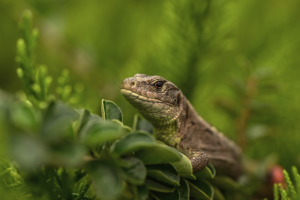
A sustainable garden invites life. Add bird feeders, shallow water dishes, or butterfly-friendly plants to attract wildlife. Planting in layers—groundcovers, shrubs, and small trees—encourages diverse species to thrive. Biodiversity creates a naturally balanced ecosystem that keeps pests under control, improves pollination, and supports environmental health.
Conclusion
Adopting Sustainable Gardening Methods is not just about cultivating plants—it’s about creating a harmonious environment where every element supports another. When you nurture the soil, conserve water, reduce chemicals, and embrace biodiversity, your garden naturally becomes healthier and more resilient. Start with one or two practices and gradually expand your efforts. You’ll soon see your garden flourish in ways you never imagined. And remember, each small step makes a meaningful difference to the planet and your gardening journey.
Next Steps to Protect Your Garden
Ready to improve your gardening methods? Whether you’re just starting out or refining your gardening skills, we’re here to help!
📍 Visit us: Parewala House No. 4, Vakola, Santacruz (East), Mumbai 400055
Call: 83369-77770
🌐 Explore: indogardening.com
📧 Email: indogardencare@gmail.com