
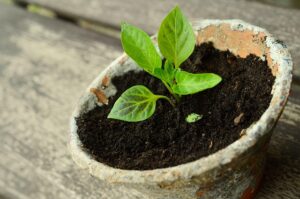
 A healthy, thriving garden begins with one essential element—your soil. Whether you’re growing flowers, vegetables, herbs, or fruit trees, Garden Soil Improvement is the foundation that determines how well your plants will flourish. Good soil isn’t created overnight, but with simple, natural steps, you can transform even tired or compacted ground into a rich, living ecosystem that nourishes plant growth year-round.
Improving your soil naturally means working with nature rather than against it. By adding organic matter, encouraging beneficial microbes, and maintaining proper structure, you create an environment where roots can breathe, water can flow, and nutrients become easily available to your plants. The best part? These methods are sustainable, budget-friendly, and suitable for gardeners of all experience levels.
Whether you’re starting a new garden bed or revitalizing an existing one, focusing on Garden Soil Improvement will reward you with healthier plants, stronger yields, and a garden that practically grows itself. With the right techniques and a little consistency, you’ll soon see your soil turn darker, softer, and more fertile—ready to support the beautiful, productive garden you envision.
Add Organic Matter to Enrich the Soil
One of the most transformative steps in Garden Soil Improvement is adding organic matter. Compost, leaf mold, aged manure, and kitchen scraps all break down into humus, a nutrient-rich substance that boosts soil fertility and structure. When organic matter is worked into the soil, it becomes softer, more crumbly, and better at retaining moisture without becoming overly wet. This improved structure allows roots to grow deeper and access nutrients more efficiently. Over time, even poor or compacted soil becomes healthier and more productive.
Use Mulch to Protect and Nourish the Soil
Mulching is a simple yet powerful natural technique that enhances soil quality year-round. A layer of organic mulch—such as straw, shredded leaves, wood chips, or grass clippings—acts like a protective shield for the soil. It prevents moisture from evaporating on hot days, keeps the soil cool, reduces weed growth, and gradually breaks down into nutrient-filled organic matter. As earthworms and microorganisms move through the mulch, they help incorporate nutrients into the soil, creating a naturally enriched environment that supports strong plant development.
Encourage Healthy Soil Life
Thriving soil is alive with beneficial organisms like earthworms, microbes, and fungi. These tiny helpers break down organic matter, release nutrients, and improve soil texture. To support this living ecosystem, it’s important to avoid over-tilling, which can destroy microbial networks and compact the soil. Instead, focus on top-dressing with compost, using mulch consistently, and allowing old plant roots to decompose naturally in the soil. When soil life is protected and encouraged, the entire garden becomes more fertile and resilient.
Grow Cover Crops to Build Soil Naturally
Cover crops, also known as green manure, are an excellent tool for natural Garden Soil Improvement. Plants like clover, mustard, rye, and legumes protect bare soil during off-seasons, preventing erosion and nutrient loss. When these crops are cut down and incorporated back into the soil, they add large amounts of organic matter and valuable nutrients—especially nitrogen. Growing cover crops not only restores depleted soil but also enhances its long-term fertility and structure.
Balance Soil pH for Better Plant Growth
Soil pH determines how well plants can absorb nutrients. Even nutrient-rich soil can lead to poor plant growth if its pH is unbalanced. Home soil test kits make it easy to check whether your soil is too acidic or too alkaline. To adjust pH naturally, you can use lime to raise the pH or elemental sulfur to lower it. Keeping your soil’s pH within the ideal range ensures that all your hard work in soil improvement results in healthy, vigorous plants.
Water Wisely to Maintain Healthy Soil Structure
Watering practices have a direct impact on soil health. Overwatering can compact soil, wash away nutrients, and harm beneficial microbial life. Instead, practice deep, infrequent watering to encourage strong root systems and maintain the soil’s natural structure. Combined with mulching and organic matter, proper watering supports steady, long-term soil improvement.
Next Steps to Protect Your Garden Soil
Ready to take your garden to the next level? Your journey toward stronger, healthier soil starts today. If you’re committed to improving your garden soil naturally and want expert guidance, reliable products, or personalized support, we’re here to help you make it happen.
Transform your gardening experience with the right tools, advice, and care—because thriving soil leads to a thriving garden.
📍 Visit us: Parewala House No. 4, Vakola, Santacruz (East), Mumbai 400055
Call: 83369-77770
🌐 Explore: indogardening.com
📧 Email: indogardencare@gmail.com
Let’s work together to build the rich, fertile soil your garden deserves. Your healthiest garden starts with simple, confident steps—take yours today!