
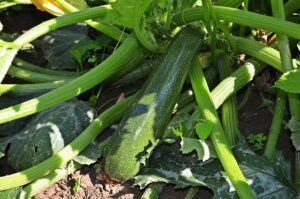
 Growing your own vegetables at home is more than just a hobby—it’s a rewarding journey that combines health, sustainability, and the joy of nurturing life. In today’s fast-paced world, where processed foods dominate our diets, having a personal vegetable garden ensures access to fresh, nutrient-rich produce right at your doorstep. From crisp lettuce and juicy tomatoes to aromatic herbs and vibrant peppers, homegrown vegetables bring unparalleled flavor and vitality to every meal.
Vegetable gardening is not limited by space or experience. Whether you have a sprawling backyard, a modest balcony, or even a sunny windowsill, you can cultivate a thriving garden using simple techniques and thoughtful planning. Beyond the physical benefits, tending to a garden offers mental wellness, reducing stress and fostering a deeper connection with nature. Watching seeds sprout, grow, and transform into nourishing food is a gratifying experience that brings families together and encourages mindful eating.
Moreover, home gardening promotes sustainability by reducing dependency on store-bought produce, minimizing packaging waste, and cutting down transportation emissions. By growing your own vegetables, you take control of what goes on your plate, ensuring freshness, flavor, and health in every bite. Starting a vegetable garden is not just about planting seeds—it’s about cultivating a lifestyle rooted in wellness, self-reliance, and connection to the earth.
Choosing the Right Space for Your Garden
The first step in successful vegetable gardening is selecting an ideal spot. Most vegetables require at least 6–8 hours of direct sunlight daily, so look for a sunny area in your backyard, terrace, or balcony. Ensure the location has good drainage to prevent waterlogging, which can damage roots. If space is limited, consider container gardening or raised beds—these solutions allow you to grow vegetables even in small urban spaces while giving better control over soil quality and moisture.
Preparing Your Soil
Healthy soil is the foundation of a productive garden. Start by loosening the soil to improve aeration and root growth. Mix in organic compost or well-rotted manure to enrich the soil with essential nutrients. Testing your soil’s pH can help you determine which vegetables will thrive best; most prefer slightly acidic to neutral soil (pH 6–7). Regularly turning the soil and adding organic matter maintains fertility and ensures your plants have the nutrients they need to grow strong and healthy.
Selecting Vegetables to Grow
Choose vegetables that suit your climate, season, and family preferences. Easy-to-grow options for beginners include tomatoes, spinach, radishes, beans, and peppers. Leafy greens like lettuce and kale grow quickly, providing frequent harvests, while root vegetables like carrots and beets require patience but are highly rewarding. For small spaces, herbs like basil, coriander, and mint are excellent companions that add flavor to meals and are easy to maintain.
Planting and Watering
Plant seeds or seedlings according to the instructions on their packaging, maintaining proper spacing to allow airflow and growth. Consistent watering is crucial, but avoid overwatering, which can lead to root rot. Early morning watering is ideal, as it reduces evaporation and ensures plants stay hydrated throughout the day. Mulching around plants helps retain moisture, regulate soil temperature, and suppress weeds.
Maintaining Your Garden
Regular maintenance keeps your garden thriving. Monitor for pests and diseases, using natural remedies like neem oil or companion planting to protect your crops. Prune plants as needed to encourage healthy growth and remove dead or damaged leaves. Crop rotation—changing what you plant in a particular area each season—helps prevent soil depletion and reduces the risk of pests and diseases.
Harvesting and Enjoying Your Produce
One of the most rewarding aspects of vegetable gardening is harvesting your fresh produce. Pick vegetables when they are ripe for the best flavor and nutritional value. Frequent harvesting can also encourage plants to produce more. Enjoying homegrown vegetables in your meals not only enhances taste but also provides a sense of accomplishment and connection to the food you eat.
Conclusion
Vegetable gardening at home is a rewarding and transformative experience that goes beyond simply growing food. It empowers you to enjoy fresh, nutritious produce straight from your garden while fostering a deeper connection with nature. By carefully selecting the right space, preparing nutrient-rich soil, choosing suitable vegetables, and maintaining consistent care, anyone—whether a beginner or an experienced gardener—can cultivate a thriving garden. Beyond the tangible benefits of fresh produce, gardening promotes physical activity, mental well-being, and sustainable living, making it a holistic lifestyle choice.
The joy of watching seeds sprout, grow, and mature into vibrant vegetables brings a unique sense of fulfillment and pride. Whether you have a backyard, terrace, or balcony, starting a vegetable garden is a step toward healthier eating, environmental responsibility, and personal satisfaction. Your garden is not just a source of food—it’s a source of life and joy.
Ready to Start Your Vegetable Garden?
Transform your home into a haven of fresh, healthy produce today! Whether you’re a beginner or looking to enhance your gardening skills, our experts at Indo Gardening are here to guide you every step of the way. From soil preparation to planting, watering, and harvesting, we provide practical tips, tools, and support to help your garden flourish.
Visit us at Parewala House No.4, Vakola, Santacruz (East), Mumbai 400055, call us at 83369-77770, or email indogardencare@gmail.com for personalized guidance. Explore more resources, gardening products, and expert advice on our website: www.indogardening.com.
Start your journey toward a vibrant, productive garden and enjoy the unmatched joy of homegrown vegetables today!