
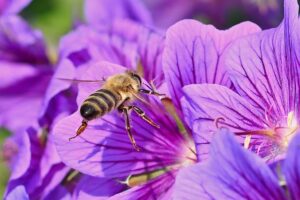
 Choosing the right flowers is the foundation of a successful pollinator-friendly garden. Different pollinators are attracted to different colors, shapes, and nectar types, so incorporating a variety of plants ensures that bees, butterflies, hummingbirds, and other beneficial insects visit your garden regularly. Here’s a list of some of the most effective and beautiful options:
- Lavender: Lavender’s fragrant purple flowers are irresistible to bees and butterflies. Its long-lasting blooms provide nectar over an extended period, making it a reliable source of food. Additionally, lavender is drought-tolerant and low-maintenance, making it ideal for busy gardeners.
- Sunflowers: Tall and bright, sunflowers attract bees and birds alike. Their large pollen-rich centers are a natural magnet for pollinators. Planting sunflowers in clusters increases their appeal and can even serve as a visual focal point in the garden.
- Coneflowers (Echinacea): With vibrant petals and sturdy stems, coneflowers are a favorite for butterflies and bees. They bloom from mid-summer to fall, providing a long nectar season. They are also hardy perennials, which means they return year after year with minimal care.
- Bee Balm (Monarda): True to its name, bee balm is a magnet for bees, hummingbirds, and butterflies. Its tubular flowers are perfect for long-tongued pollinators, and its vivid red, pink, or purple blooms add a splash of color to any garden.
- Milkweed: Essential for monarch butterflies, milkweed serves as both a nectar source and a breeding ground. Planting milkweed not only supports adult butterflies but also provides a safe space for caterpillars to grow.
- Marigolds and Zinnias: These bright, cheerful annuals are easy to grow and bloom abundantly, attracting a wide variety of pollinators. Zinnias, in particular, are a favorite for butterflies, while marigolds can help deter pests naturally.
- Native Wildflowers: Incorporating native plants ensures that your garden meets the needs of local pollinators. They are well-adapted to your climate and soil, require less maintenance, and provide the nectar and pollen that local bees and butterflies prefer.
To maximize the benefits, plant in clusters, mix colors and flower shapes, and include both early- and late-blooming species. Adding water sources, such as shallow dishes or small birdbaths, and avoiding chemical pesticides further enhances your garden’s appeal to pollinators.
Tips to Enhance Your Pollinator-Friendly Garden
Creating a thriving pollinator-friendly garden involves more than just planting flowers. Strategic planning and thoughtful design can make your garden a haven for pollinators while enhancing its beauty and functionality. One of the most important steps is planting in clusters. Grouping the same type of flowers together makes it easier for pollinators to locate and feed on them efficiently. A mix of colors, shapes, and heights will attract a variety of pollinators, from short-tongued bees to long-tongued butterflies and hummingbirds.
Providing continuous blooms throughout the seasons ensures that pollinators always have access to nectar. Include early spring flowers like crocuses or primroses, summer blooms such as coneflowers and bee balm, and late-season flowers like goldenrod or asters. This succession of flowering plants supports pollinators from early spring to late autumn.
Incorporating native plants is another key strategy. Native species are adapted to local conditions and provide the exact nectar and pollen local pollinators need. Avoid pesticides and herbicides, as they can harm pollinators, and consider adding shallow water sources or small logs and stones for shelter. Even small gardens, balconies, or window boxes can be transformed into effective pollinator-friendly spaces with these thoughtful approaches.
Conclusion
A well-planned pollinator-friendly garden not only supports biodiversity but also transforms your outdoor space into a lively, colorful sanctuary buzzing with life.
Creating a pollinator-friendly garden is more than a beautiful addition to your outdoor space—it is a meaningful way to support biodiversity and nurture the essential creatures that sustain our ecosystem. By planting a variety of nectar-rich flowers, providing shelter, and offering clean water, gardeners can create an inviting haven for bees, butterflies, hummingbirds, and other pollinators. These small but mighty creatures play a vital role in pollination, helping plants produce fruits, vegetables, and seeds, which in turn strengthens our food systems and the environment.
Moreover, a pollinator-friendly garden brings life, color, and movement, turning any yard, balcony, or community space into a lively, thriving ecosystem. Whether you choose perennial blooms, native wildflowers, or vibrant annuals, every flower counts. By embracing this gardening approach, you not only enhance the beauty of your surroundings but also make a positive impact on nature, ensuring that future generations can enjoy the hum, buzz, and flutter of a healthy, thriving garden.
Ready to transform your outdoor space into a vibrant, buzzing haven for pollinators?
At Indo Gardening, we offer expert guidance, high-quality seeds, and a wide variety of pollinator-friendly plants to help you create a garden that’s both beautiful and eco-friendly. Whether you have a small balcony or a spacious backyard, our tips and plants make it easy to attract bees, butterflies, and hummingbirds year-round.
Visit us today at Indo Gardening or stop by our store at Parewala House No.4, Vakola, Santacruz (East), Mumbai 400055. For personalized advice, call us at 83369-77770 and let our gardening experts help you plan your perfect pollinator-friendly garden. Don’t just grow a garden—grow a thriving ecosystem that supports nature, enhances your home, and delights your senses. Start your gardening journey today and make a difference for pollinators and the planet!