
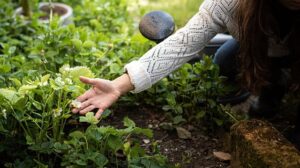
 Gardening is more than just a hobby; it’s a way to connect with nature, improve our surroundings, and create a healthier lifestyle. In today’s world, where environmental concerns are rising, many people are turning toward eco-friendly gardening as a sustainable choice. The best part is, going green in your garden doesn’t have to cost a fortune. With the right approach, you can grow lush, beautiful plants, conserve resources, and protect the planet—all while saving money.
Eco-friendly gardening is about making mindful choices that reduce waste, conserve water, recycle resources, and promote biodiversity. Instead of relying on chemical fertilizers or costly landscaping products, you can use natural compost, homemade pest repellents, and repurposed materials to create a thriving garden. Even small steps, like reusing kitchen waste for compost, harvesting rainwater, or planting native species, can make a big difference in reducing costs and environmental impact.
Another key advantage is that eco-friendly practices often align with budget-friendly strategies. For example, swapping store-bought planters with DIY containers, growing vegetables from kitchen scraps, or exchanging seeds with fellow gardeners can all save money while supporting a greener lifestyle. Not only do these methods cut down on expenses, but they also help reduce your carbon footprint and promote healthier soil, plants, and ecosystems.
Whether you have a large backyard, a balcony, or just a few pots by the window, eco-friendly gardening opens doors to creativity and sustainability. It teaches us that with a little innovation and care, we can make gardening affordable, enjoyable, and environmentally responsible. Embracing eco-friendly gardening on a budget is not just about growing plants—it’s about cultivating a healthier future for ourselves and the planet.
Practical Tips for Eco-Friendly Gardening on a Budget
Starting your journey toward eco-friendly gardening doesn’t require expensive tools or complicated methods. In fact, many of the most effective practices are simple, low-cost, and easy to implement. By adopting a few mindful habits, you can enjoy a thriving garden while protecting the planet and your wallet.
- Composting at Home
One of the easiest ways to cut costs and reduce waste is by creating your own compost. Instead of buying chemical fertilizers, turn your kitchen scraps—like vegetable peels, coffee grounds, and eggshells—into nutrient-rich compost. This natural fertilizer improves soil health, boosts plant growth, and minimizes landfill waste, making it a cornerstone of eco-friendly gardening. - Save Water with Smart Practices
Water is precious, and conserving it is essential. Collecting rainwater in barrels, using drip irrigation, or watering plants early in the morning reduces waste and lowers bills. Mulching—adding a layer of dried leaves, straw, or grass clippings—helps retain soil moisture and reduces the need for frequent watering. These small changes make a big difference in both sustainability and savings. - Choose Native and Seasonal Plants
When planning your garden, go for native species that are adapted to your local climate. They require less water, resist pests naturally, and grow better with minimal care. Seasonal vegetables and herbs are also cheaper to grow and provide fresh produce right at your doorstep, making eco-friendly gardening both practical and rewarding. - Repurpose and Reuse
Instead of buying new pots or containers, get creative with what you already have. Old buckets, broken mugs, wooden crates, or even discarded tires can be transformed into planters. Reusing materials not only saves money but also reduces plastic waste and adds a personal touch to your garden design. - Share and Exchange
Gardening is even more enjoyable when it’s shared. Exchange seeds, cuttings, or tools with neighbors and friends to reduce costs and diversify your plants. This community-based approach supports sustainable living and strengthens social bonds.
In the end, eco-friendly gardening on a budget is all about resourcefulness and creativity. By reusing, recycling, and working with nature instead of against it, you can build a flourishing garden without overspending. Each small step contributes to a greener environment, healthier food, and a sustainable lifestyle that benefits both you and the planet.
Conclusion
Embracing eco-friendly gardening on a budget proves that sustainability and affordability can go hand in hand. By making small but impactful choices—like composting kitchen waste, conserving water, reusing containers, and growing native plants—you can create a garden that is both cost-effective and environmentally responsible. These practices not only help your plants thrive but also contribute to reducing waste, saving resources, and promoting biodiversity.
The beauty of eco-friendly gardening lies in its simplicity. You don’t need fancy tools or expensive materials to start; you only need creativity, patience, and a willingness to work with nature. Every step, whether it’s recycling old items into planters or sharing seeds with a neighbor, brings you closer to building a sustainable lifestyle that benefits both you and the planet.
Ultimately, gardening is about nurturing life, and eco-friendly methods remind us that even the smallest efforts can create meaningful change. By choosing sustainable, budget-friendly techniques, you’re not just growing plants—you’re sowing the seeds of a healthier, greener future. Start small, stay consistent, and enjoy the satisfaction of knowing your garden is helping the Earth thrive, one plant at a time.
Ready to start your journey toward eco-friendly gardening without breaking the bank?
Discover more tips, expert advice, and creative ideas to transform your space into a green haven. Visit us at IndoGardening and let’s make sustainable gardening simple, affordable, and rewarding!
📍 Our Address:
Parewala House No.4, Vakola, Santacruz (East), Mumbai 400055
📞 Call Us: 83369-77770
Grow green, live smart, and let your garden thrive the eco-friendly way!