
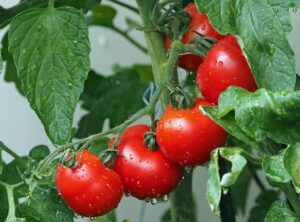
 Companion planting is an age-old gardening practice where different plants are strategically grown together to benefit each other. Unlike traditional monoculture farming, which focuses on single crops, companion planting leverages the natural relationships between plants to improve growth, yield, and pest resistance. By understanding which plants thrive side by side, gardeners can create a healthier, more balanced ecosystem in their gardens.
One of the key advantages of companion planting is pest management. Certain plants produce natural chemicals or scents that repel harmful insects, protecting their neighbors without the need for synthetic pesticides. For example, marigolds are often planted alongside tomatoes to deter nematodes, while basil near peppers enhances growth and flavor while keeping pests away.
Another benefit is enhancing soil health. Some plants, such as legumes, have the unique ability to fix nitrogen in the soil, enriching it for surrounding crops. Meanwhile, deep-rooted plants can bring nutrients from lower soil layers to the surface, supporting shallow-rooted companions.
Companion planting also promotes better pollination and overall biodiversity. Flowers interspersed with vegetables attract bees and other pollinators, increasing fruit and seed production. Additionally, the varied planting patterns reduce soil erosion and discourage the spread of diseases that often target single-species crops.
By thoughtfully combining plants, gardeners can reduce chemical inputs, conserve resources, and create a more resilient and productive garden. Companion planting is not only environmentally friendly but also a practical, low-cost approach to maximize crop health and yields. Whether you are growing a small home garden or managing larger farm plots, understanding and applying these techniques can lead to sustainable, thriving crops and a flourishing garden ecosystem.
Effective Companion Plant Pairings
- Tomatoes and Basil
One of the most popular combinations, tomatoes and basil, work wonders together. Basil improves tomato flavor and repels common pests like aphids, tomato hornworms, and whiteflies. Planting them side by side encourages healthy growth and reduces the need for chemical interventions. - Carrots and Onions
Carrots and onions are ideal companions because onions’ strong aroma masks the scent of carrots from carrot flies. This natural pest control ensures that both crops grow unharmed. Additionally, their differing root structures minimize competition for nutrients, allowing both to thrive. - Corn, Beans, and Squash – The Three Sisters
This traditional Native American planting technique, known as The Three Sisters, is a perfect example of mutual support. Corn provides a natural trellis for climbing beans, beans enrich the soil with nitrogen, and squash spreads along the ground, suppressing weeds and retaining moisture. Together, they create a sustainable and high-yield garden ecosystem. - Cabbage and Dill or Rosemary
Cabbage benefits from companions like dill or rosemary, which attract beneficial insects such as ladybugs and predatory wasps. These insects help control pests like cabbage worms and aphids, reducing the need for chemical sprays. - Lettuce and Radishes
Lettuce and radishes grow well together because radishes mature quickly and can be harvested before lettuce needs more space. Additionally, radishes help loosen the soil, benefiting the lettuce roots.
Techniques for Successful Companion Planting
- Intercropping
Mixing fast-growing and slow-growing plants, such as radishes with carrots, allows gardeners to maximize space while reducing weed growth. - Trap Cropping
Some plants can act as decoys to attract pests away from main crops. For instance, planting nasturtiums near cabbages draws aphids away, protecting the primary crop. - Strategic Spacing
Understanding each plant’s nutrient and sunlight needs is crucial. Taller plants should not shade smaller companions, and root systems should not compete excessively. - Seasonal Rotation
Rotating companion plantings each season prevents soil depletion and breaks pest and disease cycles. For example, legumes one season can enrich the soil for leafy greens the next.
By combining these companion plant pairings and techniques, gardeners can cultivate healthier, more resilient crops naturally. This approach not only reduces reliance on chemicals but also enhances biodiversity, soil fertility, and overall productivity in a sustainable manner.
Conclusion: Embrace Companion Planting for a Thriving Garden
Companion planting is more than just a gardening technique—it’s a natural, sustainable way to boost crop health, enhance yields, and reduce reliance on chemical inputs. By strategically pairing plants like tomatoes with basil, carrots with onions, or practicing the “Three Sisters” method, farmers and gardeners can naturally manage pests, enrich soil fertility, and promote biodiversity. Thoughtful planting techniques such as intercropping, trap cropping, and seasonal rotation further optimize growth and protect crops from diseases.
For those looking to elevate their farming practices, Indochem Agrovet offers a range of expert solutions, guidance, and products designed to complement sustainable techniques like companion planting. Unlock the full potential of your crops with scientifically-backed, eco-friendly approaches. Connect with Indochem Agrovet today and cultivate healthier, more productive gardens and farms.
Contact: https://indogardening.com/ | +91 83369-77770 | Mumbai & Kolkata Offices